
Center for Neuropsychological and Psychological Assessment (CNaP): Core Training Supervisors
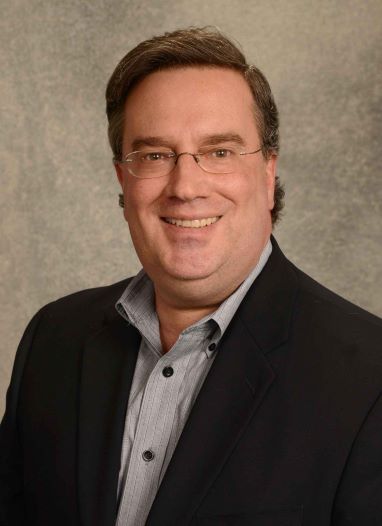
Richard Boada, PhD, ABPP
Neuropsychologist, CNaP
Associate Professor of Psychiatry and Behavioral Sciences
BoadaR@KennedyKrieger.org
Dr. Boada provides clinical neuropsychological services for patients, and training and supervision for postdoctoral fellows, through the outpatient Epilepsy and Acquired Brain Injury Clinic. He has specific experience and expertise in working with patients who have had epilepsy surgery, patients who have had childhood stroke, patients with sex chromosome aneuploidy (SCA) and patients who are bilingual (Spanish-English). Dr. Boada’s research focuses on the cognitive and genetic underpinnings and comorbidity among speech, language and reading disorders, as well as neuropsychological outcomes in children with epilepsy, stroke and SCA’s. He serves on the editorial board of Child Neuropsychology and has been a principal investigator (PI), co-PI or co-investigator on various National Institutes of Health (NIH)-funded grants over the past 20 years. Recent papers include a review of childhood stroke outcomes and a paper on culturally-informed neuropsychological evaluations in pediatric epilepsy.
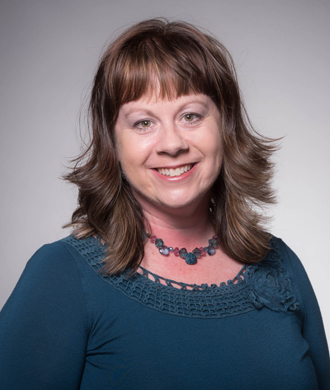
Carolyn Caldwell, PhD
Neuropsychologist, CNaP
CaldwellC@KennedyKrieger.org
Dr. Caldwell supervises fellows in CNaP’s Congenital/Genetic Conditions outpatient clinic and in the interdisciplinary Concussion Clinic, part of the Rehabilitation Continuum of Care at Kennedy Krieger.. In addition, Dr. Caldwell is a member of the interdisciplinary Craniofacial Clinic team at The Johns Hopkins Hospital (JHH). Her primary research interests include neuropsychological outcomes following pediatric brain injuries across the range of injury severity, performance validity measures, reliable change methodology, and evaluating the impact of sleep following pediatric brain injury.
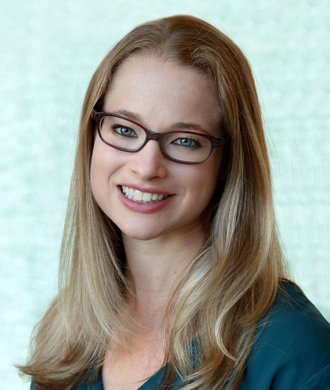
Emma Cole, PhD, ABPP-SP, NCSP
Neuropsychologist, CNaP and Kennedy Krieger School Programs
Assistant Professor of Psychiatry and Behavioral Sciences
ColeEM@KennedyKrieger.org
Dr. Cole supervises the training of neuropsychology postdoctoral fellows within the Kennedy Krieger School Programs. She is a credentialed school psychologist and has worked as a school psychologist in multiple public school districts, and as a pediatric neuropsychologist in an outpatient hospital setting. She primarily oversees the neuropsychology services at Kennedy Krieger's four schools, which serve children from ages 5 to 21 years old. In her role, Dr. Cole provides special education team-initiated assessments to students with a wide array of emotional, behavioral, neurodevelopmental, medical and genetic conditions. She also completes outpatient evaluations through CNaP . She has expertise in special education law, the assessment of children for educational services, the assessment of lower-functioning and/or behaviorally disruptive children, and the transition of students with disabilities to post-secondary settings. Her research interests include factors affecting post-secondary outcomes for students with disabilities and the development of advocacy skills in students with disabilities.
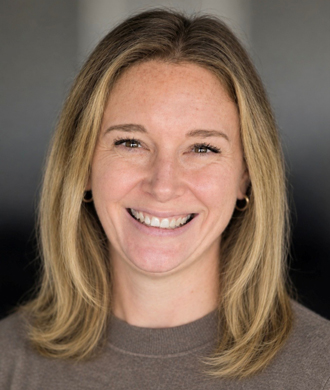
Kelly E. Jones, PhD, ABPP
Neuropsychologist, CNaP
Assistant Professor of Psychiatry and Behavioral Sciences
JonesKel@KennedyKrieger.org
Dr. Jones provides training and supervision to doctoral interns and postdoctoral fellows. She also provides clinical neuropsychological services to children throughout Kennedy Krieger's Rehabilitation Continuum of Care, including the Pediatric Rehabilitation Unit, the interdisciplinary Brain Injury Clinic, the STRONG Brain and Bodies program, and CNaP's outpatient Epilepsy and Acquired Brain Injury Clinic. She specializes in children and adolescents with acquired brain injury, with specific clinical and research interests in pediatric neuroimmunological disorders.
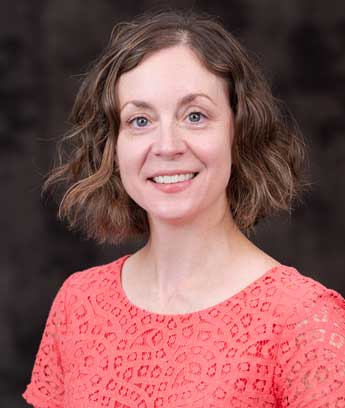
Megan Kramer, PhD, ABPP
Training Director, Pediatric Neuropsychology Fellowship Program
Associate Training Director, Doctoral Internship Training Program in Behavioral Psychology and Neuropsychology
Assistant Professor of Psychiatry and Behavioral Sciences
KramerM@KennedyKrieger.org
Dr. Kramer serves as training director for postdoctoral fellows in pediatric neuropsychology. She also serves as associate director of training for Kennedy Krieger’s Doctoral Internship Training Program in Behavioral Psychology and Neuropsychology. Dr. Kramer provides training and supervision to doctoral interns and postdoctoral fellows on the Pediatric Rehabilitation Unit, and mentorship to psychologists at the Institute who are pursuing board certification. She also provides clinical neuropsychological services to children throughout Kennedy Krieger’s Rehabilitation Continuum of Care. She primarily works in the inpatient neurorehabilitation unit. She has a clinical interest in evidence-based cognitive rehabilitation interventions. Her research interests involve measuring and predicting outcomes across the range and severity of pediatric acquired brain injury.
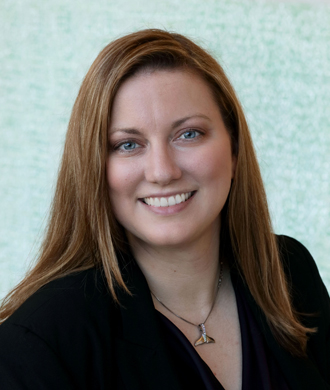
Danielle Ploetz, PhD, ABPP
Neuropsychologist, CNaP and Fairmount Rehabilitation Programs
Ploetz@KennedyKrieger.org
Dr. Ploetz provides training and supervision for postdoctoral fellows. She is also a board-certified clinical neuropsychologist, with a subspecialty certification in pediatric neuropsychology. She provides neuropsychological evaluations and interventions for children and adolescents recovering from a wide range of acquired brain injuries, including traumatic brain injury, stroke, encephalopathies, and brain tumors. She also works with patients who have other congenital, acquired, and neurodevelopmental disorders, including cerebral palsy, seizure disorders, spina bifida, spinal cord injuries, and chronic health conditions (e.g., pain, long COVID-19 and POTS). Research interests include performance and symptom validity testing in pediatric populations, program evaluation, and evaluating neuropsychological outcomes following pediatric brain injury.
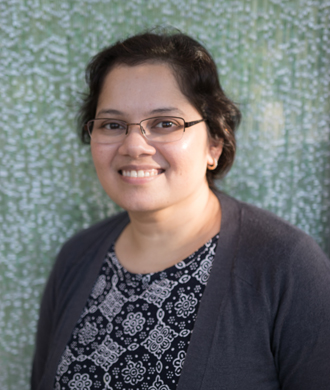
Shruti Rane, PhD, ABPP
Neuropsychologist, CNaP
Rane@KennedyKrieger.org
Dr. Rane provides training and supervision to postdoctoral fellows. She provides clinical neuropsychological services to pediatric cancer survivors. Dr. Rane’s additional areas of expertise include assessment of children and adolescents diagnosed with epilepsy as well as neurodevelopmental disorders. She sees patients in CNaP’s outpatient clinics. Dr. Rane has worked overseas as a neuropsychologist and is interested in cross-cultural neuropsychology.
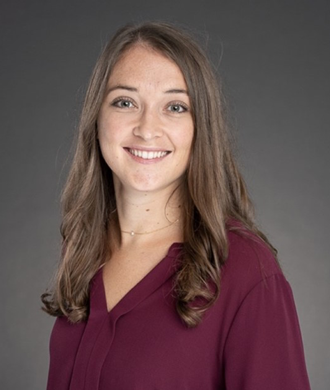
Bethany Schwandt, PhD
Neuropsychologist, CNaP
SchwandtB@KennedyKrieger.org
Dr. Schwandt primarily provides supervision for fellows in the outpatient Oncology Clinic. She provides consultation and psychoeducation for pediatric patients with brain tumors following initial diagnosis and during active treatment in the Strengthening in Oncology (STRONG) Brains and Bodies interdisciplinary team through Kennedy Krieger and Johns Hopkins Medicine oncology team. She also conducts early childhood neuropsychological evaluations focusing on neurodevelopmental assessment with varying complex medical conditions (e.g. brain tumors, leukemia) and supports training for fellows particularly interested in building skills with early childhood assessment. Dr. Schwandt also provides outpatient neuropsychological evaluations through the interdisciplinary Infant Neurodevelopment Center for young children with a history of premature birth and varying perinatal complications. She is a co-investigator on the HEALthy Brain and Child Development (HBCD) Study at Kennedy Krieger and Johns Hopkins Medicine, which is assessing brain development in infants and young children.
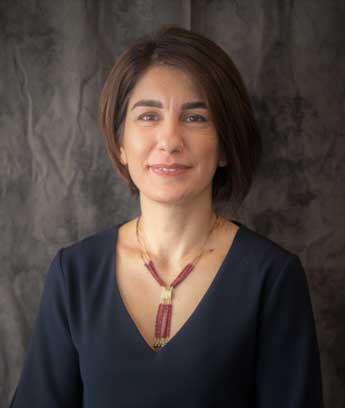
Elgiz Sener, PhD, ABPP
Neuropsychologist, Center for Autism Services, Science and Innovation (CASSI™)
Assistant Clinical Director, CASSI™
Sener@KennedyKrieger.org
Dr. Sener provides supervision for postdoctoral fellows during their rotation through CASSI™. She also provides neuropsychological assessments for children, adolescents and young adults with autism and a variety of comorbid developmental, psychiatric, genetic and medical conditions. She specializes in working with individuals with a range of abilities, as well as adolescents who will soon be transitioning to young adulthood. She provides comprehensive evaluations, both individually and as part of interdisciplinary teams. Her primary clinical interests include diagnostic differentiation of autism from attention-deficit/hyperactivity disorder (ADHD) and intellectual disability, as well as assisting autistic youth (and their families) during their transition to adulthood.
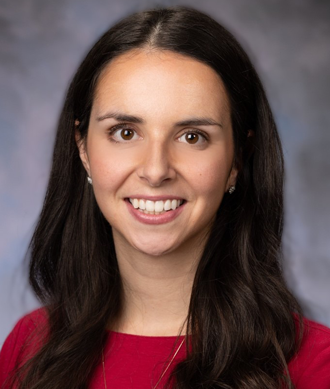
Catherine Stephan, PhD
Neuropsychologist, CNaP
Assistant Professor of Psychiatry and Behavioral Sciences
Stephan@KennedyKrieger.org
Dr. Stephan provides training and supervision to postdoctoral fellows in the Congenital and Genetic Conditions Outpatient Major Rotation and the Transition to Adulthood Minor Rotation. Her clinical and research expertise focuses on promoting independence and on successful transition to adulthood among individuals with complex medical and co-occurring neurodevelopmental conditions. She is a neuropsychologist within the multidisciplinary Philip A. Keelty Center for Spina Bifida and Related Conditions, where she supports the Self-Care and Independence Program (SCIP). In addition to conducting clinical evaluations, Dr. Stephan serves as a consultant to Maryland's Developmental Disabilities Administration, providing guidance on eligibility determinations in complex initial applications and appeals. Her additional research interests include increasing the accessibility of neuropsychological assessment through telehealth and innovative assessment technologies. She currently leads a Hydrocephalus Association-funded study examining the feasibility and acceptability of virtual approaches to neuropsychological assessment.
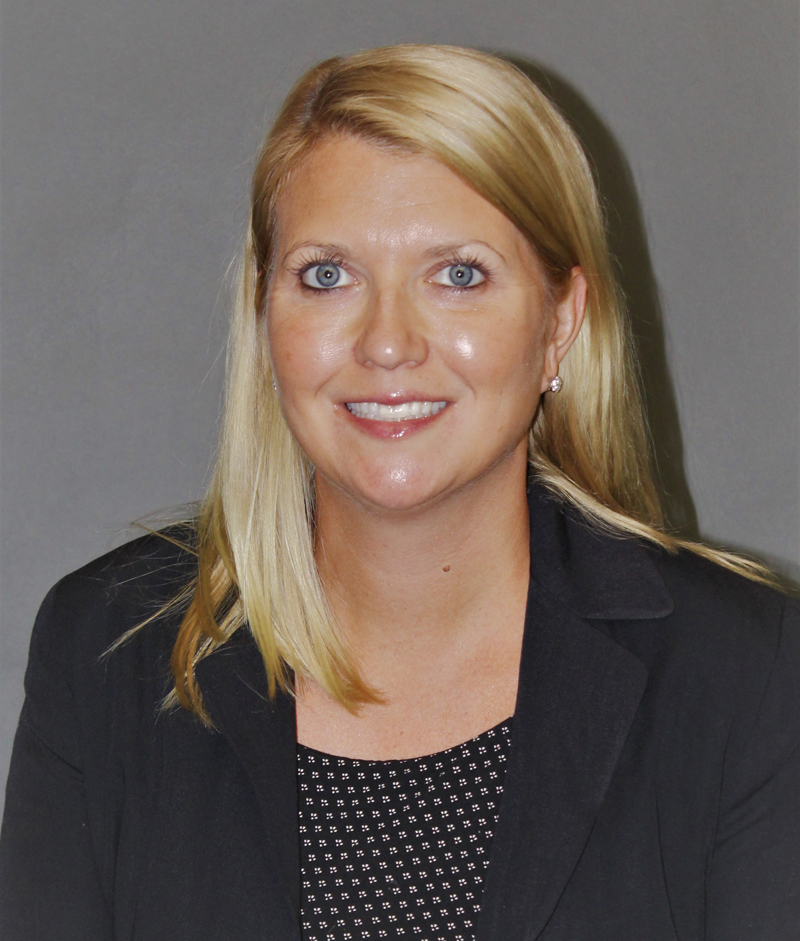
Ericka Wodka, PhD, ABPP
Clinical Director, CASSI™
Associate Professor of Psychiatry and Behavioral Sciences
Wodka@KennedyKrieger.org
Dr. Wodka is a board-certified neuropsychologist, with subspecialty certification in pediatric neuropsychology. She is the primary supervisor for the postdoctoral fellowship in neuropsychology at CASSI. Professional affiliations include serving on the editorial board for Pediatric Psychology and Archives of Clinical Neuropsychology, and she is an associate editor for Neuropsychology Review. Her research interests include examining motor development, attention and other aspects of higher-order cognitive processes in neurodevelopmental disorders, particularly autism. She is the site principal investigator for a national study examining the genetic causes of autism and a collaborator on an externally funded project examining motor functioning and imitation in autism. She has also presented and published findings related to the relationship between attention and sensory functioning in autism, as well as sex differences and language outcomes for children with autism and severe language delays. Other research interests include examining differences in children with autism, with and without co-occurring conditions (e.g., anxiety, ADHD and aggression).
Faculty Research Supervisors
In addition to the core training supervisors listed, several faculty members in the department—including Beth Slomine, PhD, ABPP; Cynthia Salorio, PhD, ABPP; Lisa Jacobson, PhD, ABPP; Natasha Ludwig, PhD; Rowena Ng, PhD; Rachel Peterson, PhD, ABPP; Adrian Svingos, PhD; and T. Andrew Zabel, PhD, ABPP —also provide research mentorship to fellows.
Research faculty profiles can be found here: CNaP Research Faculty