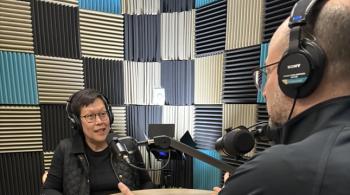
September is Childhood Cancer Month. On this episode of Your Child's Brain, Dr. Brad Schlaggar is joined by Drs. Stacy Suskauer and Rachel Peterson to discuss advances in the treatment and research of pediatric brain cancer, one of the most common types of cancer in children. They also discuss a new program at Kennedy Krieger that is designed to connect pediatric brain cancer patients to resources and help support their cognitive and physical health during and after treatment.
Resource:
Learn More About Our Host and Guests
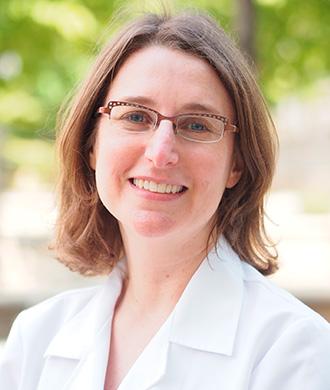
Stacy J.
Suskauer
,
MD
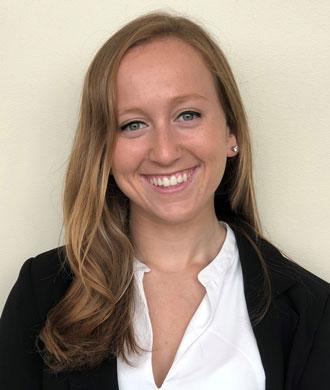
Dr. Brad Schlaggar (BS): Welcome to Your Child's Brain, a podcast series produced by Kennedy Krieger Institute with assistance from WYPR. I'm Dr. Brad Schlaggar, pediatric neurologist and president and CEO of Kennedy Krieger Institute. September is Childhood Cancer Awareness Month. Among pediatric cancers, tumors of the brain and spinal cord have one of the highest incidence rates; of the nearly 5,000 such tumors diagnosed in individuals under the age of 19 in the US, about 60% are malignancies. In fact, it's estimated that brain and spinal cord tumors account for the second-highest type of all cancers in children, behind only leukemia. Fortunately, however, the survival rate for brain tumors in children has increased significantly in recent decades. A child diagnosed with a brain or spinal cord tumor in the mid 1970s, for example, would have had a five-year survival rate of around 50%. Today, a child with the same diagnosis would have a five-year survival rate depending on the type of tumor and its location, anywhere from 75% to 85%. While advances in research, diagnosis, and treatment have allowed those numbers to improve, and we, of course, aspire to 100% survival. Parents and caregivers whose children have been diagnosed with a brain or spinal cord tumor will be concerned not only with survival, but with survivorship or the quality of life that follows, including development, cognition, education, and overall health. What challenges both short and long-term, will these patients face? Can long term effects to cognitive, physical, and emotional challenges be addressed? It's important to note too that although pediatric survival rates have improved, children are more susceptible in general than adult patients to the long term cognitive effects, which can occur as far out as one or two years after treatment. These cognitive challenges can be addressed by early intervention. Because brain tumors can affect many areas of a child's functioning, care often involves multiple disciplines including physiatry, neuropsychology, physical therapy, nursing, educational support, and others. A new program at Kennedy Krieger takes this a step further by bringing these disciplines together proactively early in treatment, rather than waiting for significant difficulties to emerge. This coordinated approach allows the team to monitor and address cognitive, physical, social, emotional, and educational needs as they evolve over time. What does this multidisciplinary approach look like in daily life? At Kennedy Krieger Institute, we and our partners, the Johns Hopkins Sidney Kimmel Comprehensive Cancer Center and Children's National Hospital, have launched the STRONG Brain and Bodies program STRONG. That's an acronym derived from the words strengthening in oncology. STRONG is designed to connect pediatric patients who have brain tumors to resources and help support their cognitive, mental, and physical health during and after treatment. The program serves individuals with primary brain tumors from infancy, all the way into young adulthood, and it works with patients and families from diagnosis, through treatment, and into long term survivorship. Joining me to discuss the strong program today, as well as advances in the care of pediatric patients with brain tumors, are two of my exceptional colleagues at Kennedy Krieger: Dr. Rachel Peterson is a faculty neuropsychologist in Kennedy Krieger Center for Neuropsychological and Psychological Assessment, and an assistant professor of psychiatry and Behavioral Sciences at the Johns Hopkins University School of Medicine. She is a board-certified pediatric neuropsychologist whose clinical and research work focuses on the cognitive and psychosocial effects of childhood cancer and its treatment, particularly among children with brain tumors. Dr. Stacy Suskauer is Vice President of Rehabilitation at Kennedy Krieger Institute and is a professor in the Department of Physical Medicine and Rehabilitation at the Johns Hopkins University School of Medicine, where she also directs the Division of Pediatric Rehabilitation. She is a research scientist and co-director of Kennedy Krieger's Center for Brain Injury Recovery and Brain Injury Clinical Research Center. Welcome, Stacy and Rachel. Rachel, let's start with you. Can you start out by giving our listeners a sense of the health challenges a child might face due to a brain tumor itself or while being treated for that brain tumor, and also in the recovery phase?
Dr. Rachel Peterson (RP): Sure. Thank you so much for having us today, Brad. There really can be a lot of variability in the wide range of challenges that children can undergo as a result of a brain tumor and its treatment. Even before treatment begins, the tumor itself can affect how a child is functioning. The brain is involved in virtually everything that we do. Depending on where the tumor is located, we could see changes in a child's strength, balance, communication, thinking and learning, behavior, or emotion regulation. Then there are the effects of treatment. To treat a brain tumor, a child may undergo surgery, chemotherapy, radiation, or a combination of treatments, which can lead to brain changes that affect thinking and learning. Then additionally, because of their treatment, children may end up spending significant periods of time in the hospital or away from their normal activities, whether that's because of fatigue or pain, or other medical side effects. At the same time, they may be missing school, time with friends, involvement in extracurricular activities, and many of those everyday experiences are so important for child development. Then there's the period after treatment ends, what we call survivorship. This is really important because it emphasizes that the story doesn't end when treatment ends. Some side effects from treatment may improve over time, but others can persist, and entirely new challenges can emerge in the months or even years after treatment ends. We call those late effects. These late effects can involve different areas or different parts of someone's health. Children who have been treated for a brain tumor may need ongoing monitoring for things like changes in their growth or hearing, or vision; their physical functioning; or other medical conditions that can develop as a result of their tumor or its treatment. Now we also see these changes in their cognitive or thinking skills. Things like attention, memory, processing speed, and executive functioning. For example, a child who has been treated for a brain tumor may, over time, start to experience difficulties with focus or keeping up with assignments, remembering multi-step instructions, or keeping pace in the classroom. For children who have been treated for a brain tumor, care doesn't end when treatment ends. There's an ongoing need for monitoring their health and their development over time and to recognize that the effects of a brain tumor can evolve throughout childhood and even into adulthood.
BS: Rachel, sticking with you, as I mentioned, survival rates have improved over the last several decades, thankfully, although we certainly have more work to do in improving those survival rates, but it's still common for children to face more severe long-term side effects than adult patients. Why is that the case?
RP: One of the biggest reasons is that we are working with a developing brain. When an adult is treated for a brain tumor, many of the skills that they rely on day-to-day are already well established. For a child, the brain is still actively developing, and many important skills are still emerging. A brain tumor and the treatments that we use to treat it can affect not only the skills that a child already has, but also the development of skills that they haven't yet had the opportunity to build. That's also why some difficulties might not be obvious right away. For example, a 5-year-old isn't expected to independently juggle multiple assignments or manage a lot of information at once. But as that child gets older and those expectations increase, we may begin to see difficulties with things like attention and processing speed, and memory. We sometimes think of that as growing into a deficit or growing into an area of difficulty. It doesn't necessarily mean that the child has suddenly become worse. It's more likely that an area of vulnerability has become more apparent as the demands of the environment increase. Cognitive functioning is just one piece of this. We also see that children who have been treated for a brain tumor can experience longer term problems with fatigue and stamina, motor functioning, social skills, behavior regulation, and other medical light effects. When we think about outcomes for children as compared to maybe adults treated for a brain tumor, we really need to take a long term view. We're not just asking, how is the child functioning six months after treatment. We're asking about how the tumor and the treatment may influence their development as they move through childhood, adolescence, and young adulthood.
BS: This concept of growing into a deficit, I think it's really important to underscore. I can imagine how important that is in delivering what, in pediatrics, we refer to as anticipatory guidance for families to understand: you may not be seeing a deficit right at this moment, but here is a potential pathway to that deficit that we may see, so let's anticipate it and even bring a proactive approach to it. That gets to my next question. Stacy, for you, this notion of a proactive way of thinking about intervention we talked about it at the outset, the importance of early intervention, especially with cognitive outcomes; there's this concept of prehabilitation. If you could talk about what that means, and what does it mean with early intervention in mind in terms of treatment and how the treatment field has become more proactive in recent years.
Dr. Stacy Suskauer (SS): Thanks, Brad. I generally think of rehabilitation as improving somebody's readiness for an event that we know is coming. Typically, for thinking about a surgery or a medical treatment that's upcoming. Interestingly, rehabilitation apparently has its roots in preparing soldiers for combat. I think that's a good example because there's both the physical fitness that's required, but also the mental preparation and thinking about that anticipatory guidance about what's to come and perhaps coping skills for getting through that. Initially, as rehabilitation was really introduced into the medical field. It was more about preparing for an upcoming surgery and helping, especially adults who may not have been the best surgical candidates to do better in terms of tolerating anesthesia and be able to recover better from surgery. This typically focused around things that generally make people healthier. Stopping smoking, eating better and starting to exercise. Those are all things that just help your heart capacity, your lung capacity, and help you heal better. Then over time, this really evolved more to thinking about maybe not single-event interventions, but particularly in oncology, thinking about the effects of radiation or chemotherapy and how, again, improving overall health, starting an exercise program could really help tolerate the side effects of therapy, as well as keeping individuals healthier overall. One thing I'm really excited about the STRONG program is I feel we're really moving rehabilitation to a new level. In addition to thinking about overall physical activity and physical body health. We're really trying to improve the brain's connectivity and connections, with the idea that if we can make as strong of a brain as we can, that even if there are some impacts that Rachel talked about from surgery or from chemotherapy or radiation, we have pre-strengthened that brain, and so overall, we can keep a connected brain, hopefully offset some of this later-appearing injury that we typically see down the road.
BS: It occurs to me that we've been talking about what rehabilitation means, and this topic is also neurorehabilitation. We should probably take a moment to define what is neurorehabilitation, and why is it important, especially in the context of treating children with brain tumors? Obviously, we need superb diagnosticians and neurosurgeons, and oncologists to deliver the chemotherapy and radiation oncologists for radiation. But talk about neural rehabilitation and the importance of that element for the overall success and outcomes for children with brain tumors.
SS: Sure. We started by talking about where we're starting this program in the rehabilitation phase. More traditionally, we talk about rehabilitation, which is really addressing the effects of an injury or illness as they have on somebody's overall functioning, meaning how they walk, how they talk, how they get through their day after an injury or illness has occurred. And then when we talk about neurorehabilitation, it's really thinking about an injury or illness that impacted the central nervous system. As you know, the nervous system is comprised of the brain, the spinal cord, and then the nerves into the rest of the body. Overall, the brain and the spinal cord and the nerves really control almost everything that the body does. While children after a brain tumor and treatment may present as having difficulty talking, or difficulty thinking quickly, or difficulty walking. They may be weak on one side of the body. All of that really does relate back to the brain and the connections within the brain and the rest of the body. That's why thinking about interventions that can help with what we see on the outside, but really think about how that all connects back to the brain are so important. It may seem obvious that If there's been a change in how you walk or talk, that rehabilitation should be introduced. But I think we have to remember that these are families that are juggling. A lot of doctors visits, a lot of appointments. As Rachel said, these are kids who have missed out on school, maybe for a couple of years, on social events; the last thing they want to do is keep those doctor's appointments and those therapy appointments going. But I think it's really important that we think of neurorehabilitation as a way to really help again, reshape, and maybe strengthen the right connections in the brain to keep development and function on track. I think there could be a very understandable desire to give kids a break to maybe see how they bounce back on their own and put this on hold. There's really a risk, I think, if we just give it a break and wait and see how it happens, that not only might we miss that critical window, but there's the risk that we're just going to further and train improper use and poor connections that will, in fact, make it harder, or maybe impossible, to undo down the road.
BS: Stacy, sticking with you. Just in context, over time, there had been barriers for access to rehabilitation care, especially for children, and I think over time that those barriers have been alleviated to some extent. Can you speak to that, and how have those barriers been addressed?
SS: I just started to allude to some of them, which is that certainly during treatment, there are so many other demands on a child and family, and we haven't even talked about siblings or parents trying to keep their jobs. To try to add on more appointments becomes a barrier. I think the other flexibility that we've been able to do with STRONG is, one, offer a lot of this care by telehealth, so families can at least be in their homes, and also have the ability to schedule in short notice and reschedule at short notice. This is because some days kids feel better or worse. We're also ready to regroup on what we're going to do on any given day with how a child feels. If they're not up to, say, standing and exercising on any given day, we may have them sit and work on something else. But when you think about this flexibility, a standard outpatient practice doesn't have that. They have a fixed slot for a child, and if the child can't make it, they may not be able to see that child until the next week. A child might have an emergency need for an acute care visit, or they might get hospitalized. What we find is that children just miss week upon week of therapy, and sometimes even get discharged because of that. I think flexibility is really a key. We're also working on programs that children can do off of an iPad. That means if they are in the waiting room in the oncologist office, or if they get admitted because their blood counts are low, they can have that iPad with them and still continue to work on those. I think this flexibility is a big key to what we're able to offer, but it's also a big challenge. It's something that is ahead of us as I think we're going to talk a bit about the amazing philanthropy that has allowed us to put this program into motion, and that one of the challenges that our team has ahead of us is how to translate this into something that can operate with insurance money. Insurance can be a barrier itself in terms of how many therapy visits you get, if outpatient therapy is covered, which locations of therapy are covered. But we need to solve that barrier in order to be able to offer this kind of flexibility. Not only at Kennedy Krieger, but everywhere where children with brain tumors receive care.
BS: Part of the challenge is the need for this multidisciplinary care approach, bringing expertise from all these different types of clinical disciplines together. Rachel, can you speak to the importance of that true multidisciplinary approach, what disciplines are involved, and how has that fed into the concept of the STRONG program, which we'll also talk about in a moment?
RP: Kennedy Krieger broadly has a really nice history of bringing different disciplines together around a child and a family. That's because children with complex neurologic conditions often have needs or multiple needs that don't fit neatly into one area, and so we really wanted to take that similar approach within the STRONG program. Our team includes rehabilitation medicine, neuropsychology, physical therapy, nursing and care coordination, educational supports, speech and language services, and other disciplines, depending on the individual needs of the child. The important thing that I think we want to emphasize is that it's not simply about having all of these specialists available, it's having them work together as a team that can mobilize quickly to address difficulties as soon as they emerge. If a concern comes up, our team can communicate across disciplines, determine what needs to happen next, and then connect the child and their family with the right supports quickly. Building on what Stacy had mentioned, one thing that we've found particularly valuable is being able to bring families in to see multiple team members in a coordinated way. As part of our multidisciplinary meetings, that gives us the opportunity to communicate with team members in real time, and ultimately, that coordination, the goal is to reduce the burden on families. Parents of children with a brain tumor are already navigating an incredibly complicated medical journey, and we don't want them to have to be the person connecting every provider or every recommendation. A multidisciplinary team model allows our care team to take on more of that coordination and help make the medical system easier for families to navigate.
BS: It's an excellent point. There's this long-standing culture of a multidisciplinary approach, and the term that we like to also use is interdisciplinary, pointing out the interrelatedness of those disciplines working together, not just serially seeing one specialist after another, to your point, and the STRONG program really leverages that aspect of the institute. Can you speak to how this STRONG program, the initiation of it, where it came from, the initiative for it, and its vision? Tell us how that came to be.
RP: Sure. As Stacy alluded to, the STRONG program really came from the generosity of a family who had gone through the experience of having a child treated for a brain tumor and really wanted to make a meaningful difference for other families. Their support gave us the opportunity to think more broadly about what children and families need, both during and after treatment, not just from an oncology standpoint, but in terms of cognition and rehabilitation and school reintegration and just everyday functioning. That vision ultimately helped support the development of a larger center focused on improving outcomes for children with brain tumors. The center, known as the Johns Hopkins Pediatric Radiation Oncology Research Center, is, as you mentioned, in collaboration with Kennedy Krieger and Children's National Hospital, is approaching that goal from multiple directions. Within the center, there's a focus on advances in cancer treatment and radiation physics, drug development to reduce the side effects from treatment, and data sharing to improve clinical care. The STRONG program is one pillar within that center, and as we've mentioned, is really focused on prehabilitation and rehabilitation to strengthen the brain during and after treatment, to reduce the effects of treatment and optimize functional outcomes for children. What has really made this work possible is the relationship that we've built with our interdisciplinary and multidisciplinary team, including the radiation oncologists and neuro-oncologists. As part of the STRONG program, we really see ourselves working alongside the medical team, complementing the cancer treatment by focusing on the broader aspect of a child's functioning that can be affected during and after treatment.
BS: The program, obviously working within these academic centers that are collaborating, really understands the importance of blending clinical care and research. Talk about how those approaches feed off of one another to advance understanding and improve outcomes.
RP: I really see clinical care and research as a continuous cycle that really feeds off of one another. When you're sitting with children and families in clinic, you hear very clearly what is affecting their day-to-day lives. Families may tell us that, for example, their child is taking longer to complete schoolwork, or is having trouble keeping up, or seems more fatigued or overwhelmed than before treatment. It's those real-world concerns that help shape the kind of research questions we want to ask. Then, research allows us to take that information and study it more carefully. For example, through the STRONG program, we know that processing speed is an area that can be particularly vulnerable in children treated for a brain tumor. And so we've identified a cognitive intervention that may improve processing speed. What we're trying to do is study whether we can offer this intervention early on in treatment to potentially strengthen or preserve those cognitive skills. Then ideally, what we learn through research comes right back into clinical care. If we're able to identify an intervention that's feasible and acceptable to families and actually helpful, that can quickly inform how we care for patients.
BS: Stacy, another unique aspect of the STRONG program is its support for the whole family, not limited to supporting the patient, importantly. What does this support look like, and how can that approach have a positive effect on the patient's outcome?
SS: A key feature of the STRONG program is the introduction of a rehabilitation nurse navigator. This person really meets the parent, the caregiver, wherever they are, literally and figuratively. If it's during a hospitalization, they'll show up at the hospital. If it's in clinic, they'll show up in clinic. If the person wants to text or email or call, we really just want to be there as a team that is easy to get in touch with. Because there are so many people in this interdisciplinary care, we really try to streamline communication through one person to reduce burden on families. Quickly, the nurse navigator has become the go-to person for these families, really when they need anything. I think it's critical to have that person that you feel comfortable just running things by. Because that's, in the long term, going to be our earliest indicator of something going not quite as we would hope. There are families who think about those things but wait until they see the doctor in six months. If we could start to intervene six months earlier, right when it's starting to bubble up, that's going to help that child and that family. I think the other thing that we see is, again, understandably, a child's just been diagnosed with a brain tumor. They had a hospitalization. They had a little bit of a change in how they're navigating the world, but overall, doing pretty well. They're being discharged with instructions to follow up with five other doctors, and we're still waiting to see what treatment is coming, and really our nurse navigator has found 100% of the time that recommendation for outpatient PT, OT, speech never really makes it to the family's radar. It never makes it to an actual therapy appointment until she intervenes. I think that's just a really concrete way. We've talked about why do we want to intervene early. Why is it important to just not wait and see? I think there's very tangible ways in which this nurse navigator is connecting the pieces, is just being there as an ear on what's happening. Her role is also to keep reaching out to families. Even as they settle in and get used to the new normal, to reach out on a frequency in case the family isn't calling us and is thinking, "I'll wait until I see the doctor." But, "Hey, how are things going? How's the new school year been? Anything new? How are they doing with friends?" I think all of these things just really show that wraparound care that we want to provide. For some families, it goes a little bit further, like problem-solving. If that family doesn't have transportation to get them to appointments, that itself needs to happen for that child to move forward. What we're already finding is this really needs to be really personalized. I think our families would tell you that Lisa, our rehab nurse navigator, is really the key to the program as we thought she would be.
BS: You make the point about personalized, and often that term is used to talk about things like very specific treatment regimens based on the patient's genetics or other factors to make the intervention as individualized as possible. But the personalization extends into this way of thinking about with that patient and family-centered approach to personalized medicine, understanding that there's a massive onerous addition to the family's life given the new normal, and the importance of helping that family navigate through this nurse navigator, this new life, key to making sure that the patient is getting to all those important therapies. It takes personalization to an important next level. I really appreciate that point. Then my last question for both of you is often the favorite question on this podcast, which is to ask you to speak to what excites you. What advances in this area are exciting to you beyond the STRONG program itself in the field right now? Stacy, let's start with you.
SS: Well, Brad, I'm going to build off that personalized theme actually because I'm going to date myself here, but when I was in med school and training, if you had, say, a medulloblastoma, a type of brain tumor, that was what it was called. Now, with all of the personalized genetics and tumor typing, I have been blown away about the personalization of diagnosis and thus the oncologic treatment for that diagnosis. I think that's a really important starting point because treatment is just getting so personalized, which means that hopefully kids are getting spared from maybe effects of additional radiation or chemotherapy that aren't needed, and children are getting new life-saving interventions like directed immunotherapy. To build off that, we have a Precision Rehabilitation Center at Kennedy Krieger now. A lot of what we're doing in that center is thinking about how to focus assessment and also utilize data that can be collected remotely. I've talked some about why doing remote care is so important for this population to make it feasible. The precision rehab is really about how can we get great measurements of kids while we're seeing them on video, but also how can we get data from what they're doing in their daily activities? Care is just getting so much more refined and personalized. Then as you know also, I am so excited about the field learning about other ways that we can so-called jump-start brain that maybe isn't being activated in the way it used to be. We are rolling out non-invasive brain stimulation as part of this program as an opportunity really for thinking about kids who may be more in that later phase into survivorship, who didn't have the opportunity for prehabilitation, and how can we combine, say, transcranial direct current stimulation along with directed cognitive therapy to really try to activate the brain and give it a jump start to help with some of those processing speed, attention concerns we're seeing?
BS: Rachel.
RP: Building off of what Stacy is talking about in terms of precision medicine and rehabilitation, another area that I'm really excited about is the growing use of biomarkers, whether it's through blood or neuroimaging, to better understand how the brain is changing as a result of either the tumor or its treatment. As we've mentioned over the course of the podcast, there's been historically a wait-and-see approach, and oftentimes intervening once challenges are more entrenched. The hope is that biomarkers could give us an earlier window into what's happening in the brain, and then ultimately help identify which children may be at greatest risk before those difficulties fully emerge. I think the biomarkers would really enable us to be even more proactive and personalized, potentially tailoring how we're monitoring or intervening based on who's most vulnerable and how the brain is changing and responding to treatment.
BS: Stacy, Rachel, the discussion about precision medicine and rehabilitation at the institute, of course, we just had an Exploring the Brain webinar, our quarterly webinar series. It was just on that topic. Let's link the webinar episode to this episode on our webpage devoted to it. I think this is really a great place to end. I want to thank our guests, Doctors Rachel Peterson and Stacy Suskauer, for our discussion today about improving outcomes for children with brain tumors. I hope that you, our listeners, have found this discussion interesting and informative, and that you'll share this podcast with your friends and family, and rate us if you're so inclined. Please check out our entire library of topics on Your Child's Brain at wypr.org, KennedyKrieger.org/ycb, or wherever you get your podcasts. You've been listening to Your Child's Brain. Your Child's Brain is produced by Kennedy Krieger Institute with assistance from WYPR and producer Mark Gunnery. Please join us next time as we examine the mysteries of your child's brain.