BALTIMORE, Oct. 5, 2026 — Researchers from Kennedy Krieger Institute, University of Rochester Medicine, and five other Institutions released a new publication detailing how the use of master protocol trials could change the future of rare disease research. Using master protocol trials in researching rare conditions could decrease costs, improve testing efficiency and capacity, and expedite the delivery of treatments to those facing a rare disease diagnosis.
Patients facing rare diseases often have no treatment options. In the past decade, the US Food and Drug Administration has approved 45 drug therapy options for neurological conditions. While this is a vast increase from previous years, those medications only treat 26 different conditions – or about four percent of all diagnosed neurological disorders.
“Families living with rare neurological diseases cannot afford to wait for scientific progress to move at a traditional pace," said Dr. Erika Augustine, associate chief science officer and director of the Clinical Trials Unit at Kennedy Krieger Institute and study senior author. "Master protocol trials offer a smarter, more collaborative way to evaluate potential therapies, and bring effective treatments to patients more efficiently."
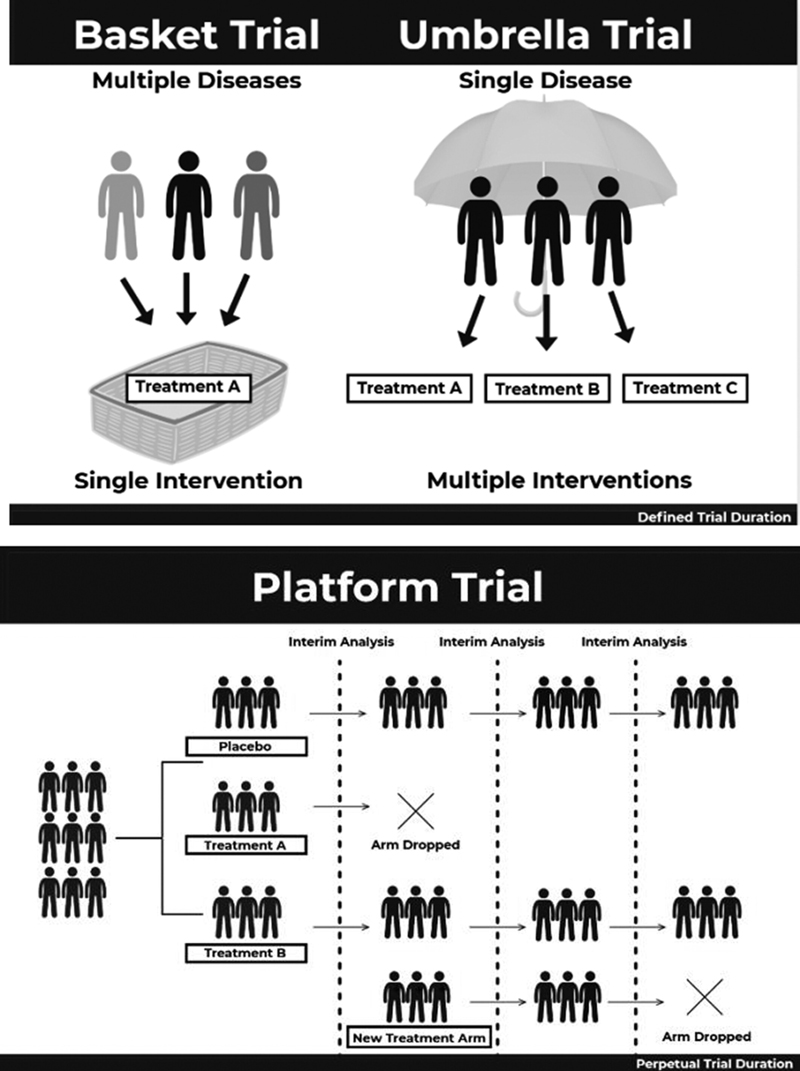
A master protocol allows researchers to test multiple drugs or conditions at the same time using the same clinical framework, while traditional clinical trials require a new framework for each new drug or condition tested. Rare disease researchers recently discovered similar genetic markers are present in multiple disease conditions. This similarity, paired with the development of targeted gene therapies, could result in master protocol trials that lead to the development of treatment options for rare diseases that show similar genetic mutations.
“The collaboration behind this paper reflects the same principle we hope to advance through master protocols,” said Dr. Jennifer Vermilion, director of the University of Rochester Batten Center of Excellence, and lead author. “Working together, rather than in isolation, can help us answer important questions more efficiently and accelerate progress for patients and families.”
The United States defines a rare disease as a condition that affects fewer than 200,000 people. However, having a rare disease is common, with one in ten people being diagnosed with a rare condition. There are more than 10,000 rare diseases and most of these display neurological symptoms, ranging from body control to developmental disabilities.
This study was possible through a collaborative effort among researchers and experts from University of Rochester Medicine; Mass General Brigham, Spaulding Rehabilitation, and Harvard Medical School; Berry Consultants; the Clinical Trials Transformation Initiative at Duke University; the Batten Disease Support, Research, and Advocacy Foundation; the Rady Children’s Health and UC Irvine; and Kennedy Krieger Institute. You can read the full study in the Annals of Neurology journal here.
###
About Kennedy Krieger Institute:
Kennedy Krieger Institute, an internationally known, nonprofit organization located in the greater Baltimore/Washington, D.C., region, transforms the lives of nearly 30,000 individuals a year through inpatient and outpatient medical, behavioral health and wellness therapies; home and community services; school-based programs; training and education for professionals; and advocacy. Kennedy Krieger provides a wide range of services for children, adolescents and adults with diseases, disorders and injuries that impact the nervous system, ranging from mild to severe. The Institute is home to a team of investigators who contribute to the understanding of how disorders develop, while at the same time pioneering new interventions and methods of early diagnosis, prevention and treatment. Visit KennedyKrieger.org for more information about Kennedy Krieger.