
AES 2026-2027 Early Career Grant
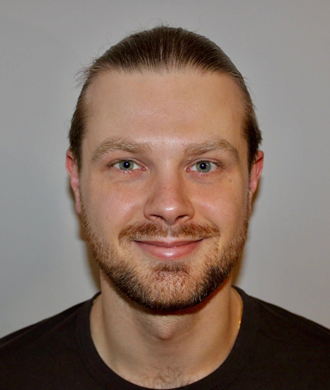
Congratulations to Matt Szuromi, PhD Candidate in Computational Neuroscience at Boston University for receiving the 2026 American Epilepsy Society Pre-doctoral Research Fellowship for his project “A novel automated sharp-wave ripple detector”, mentored by Mark Kramer, PhD and Catherine Chu, MD.
Neurology Advisory Board Presentation
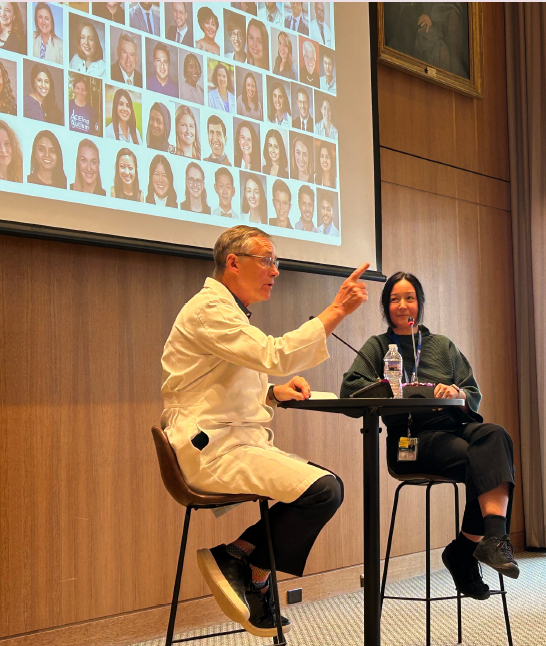
JHU Department Chair Dr. Justin McArthur Interviews Dr. Catherine Chu for the Neurology Board of Advisors Meeting.
Kennedy Krieger Institute Research Accelerator Grant
Congratulations to Dr. Siddharth Gupta on being awarded the Kennedy Krieger Institute Research Accelerator Grant! He was granted $100,000 to carry out his project, "Evaluation and Validation of Presymptomatic EEG Biomarkers to Predict Epilepsy in Sturge Weber Syndrome."
Lab Dinner Celebration
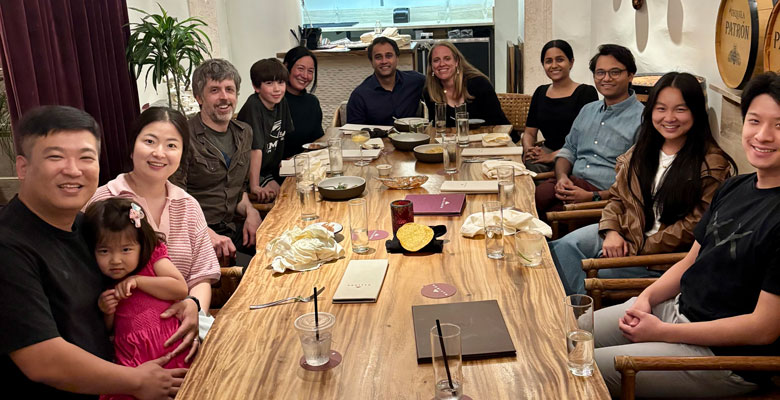
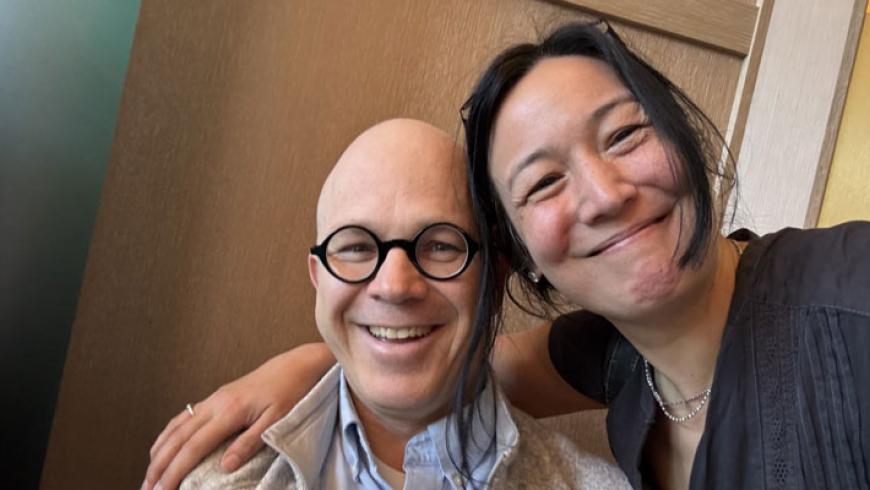
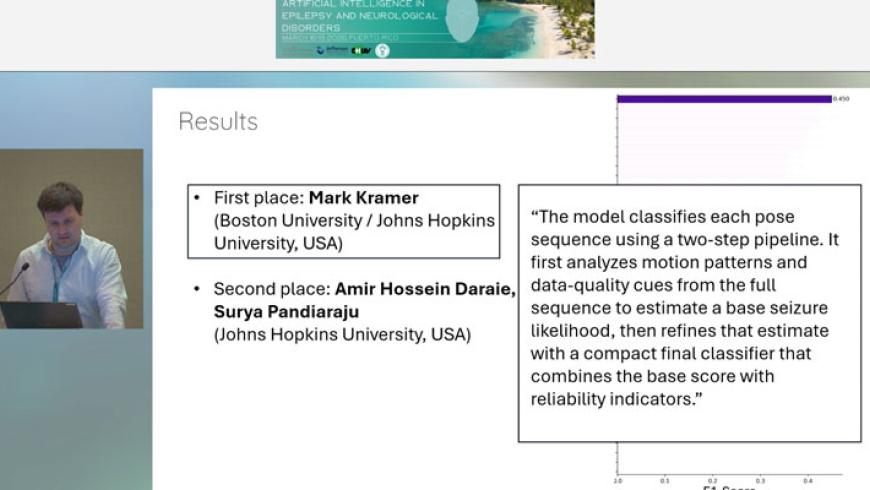
Lab dinner to celebrate Dr. Mark Kramer’s 1st place win in the AI competition at the 2026 AI-EEG Conference!
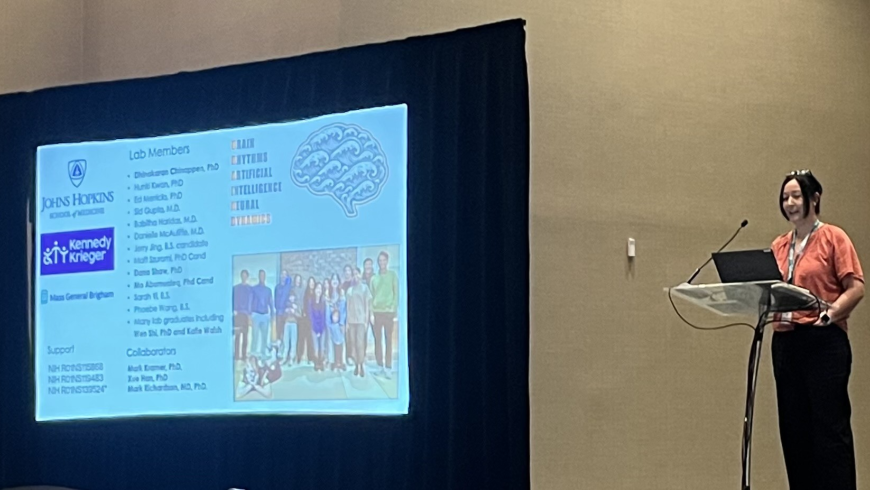
Dr. Catherine Chu and Dr. Mark Kramer Presented at the 2026 AI-EEG Conference in Puerto Rico
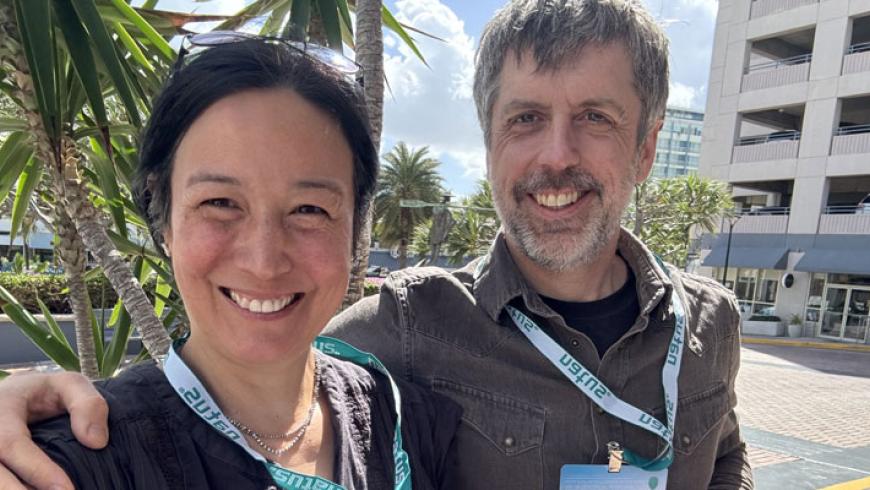
AES Conference 2025
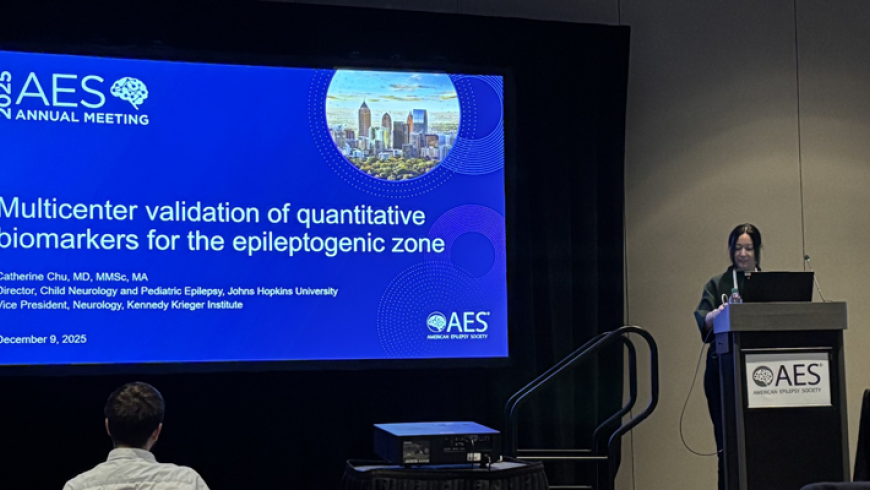
Dr. Chu’s presentation on Multicenter validation of qualitative biomarkers for the epileptogenic zone
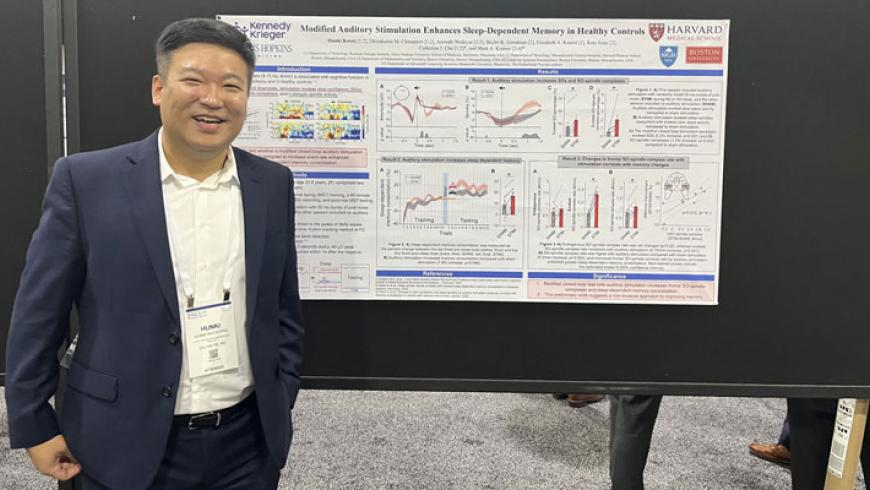
Hunki Kwon’s poster presentation
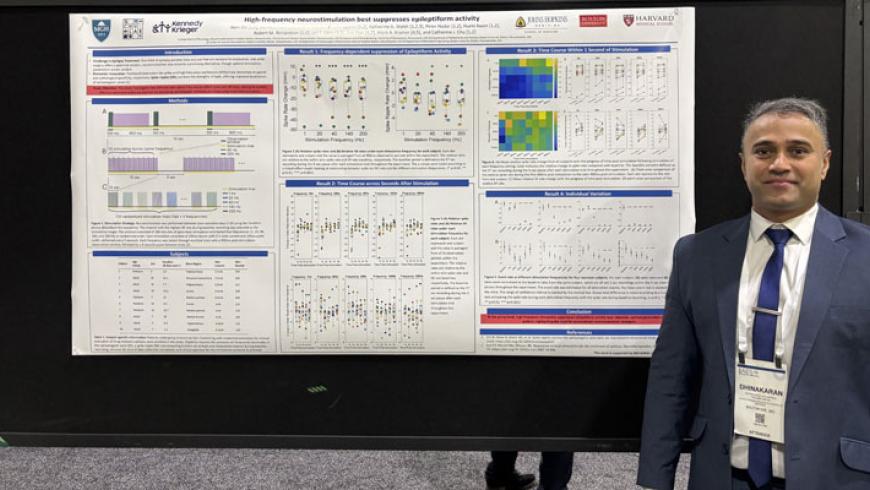
Dhina Chinappen’s poster presentation
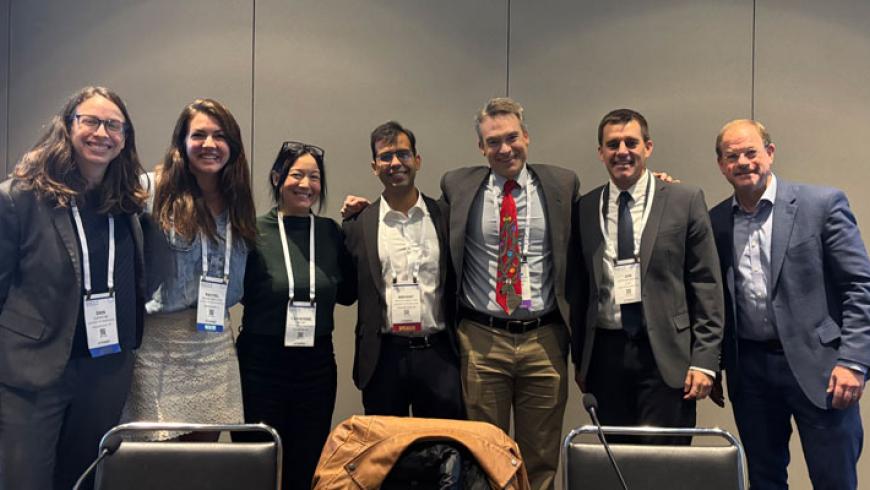
Lab collaborators!
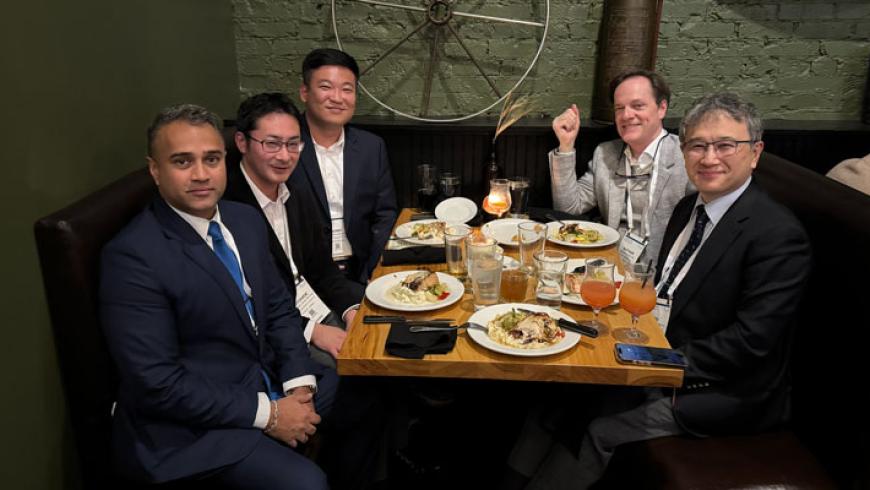
Group dinner + fun!
Recent Publications
2026
- Hasner MC, Robertson FC, Sisterson ND, Lazaro-Munoz G, Bourgeois FT, Wheless JW, et al. Clinical trial barriers in neurostimulation for pediatric drug-resistant epilepsy. Epileptic Disord. 2026;00:1–12.
This article examines why clinical trials of neurostimulation in children with drug-resistant epilepsy remain difficult to conduct, highlighting barriers including small and heterogeneous patient populations, off-label device use, regulatory and ethical challenges, recruitment difficulties, and variability in treatment targets and outcomes. - Almansa AS, Landers JR, Abend NS, Benedetti GM, Chu CJ, Knox AT, Massey S, Moen S, Pardo AC, Sansevere A, Shellhaas RA. Retrospective, Multicenter Study of Lacosamide to Treat Neonatal Seizures. Annals of the Child Neurology Society. 2026;4(1):52-63.
In this 10-center retrospective study, Almansa et al. evaluated the safety and efficacy of lacosamide as an antiseizure medication in neonates with seizures. They found that, among neonates treated with lacosamide, seizure cessation occurred in 37%, seizure burden and frequency were reduced, and most neonates (72%) continued lacosamide treatment without significant adverse events. - Ravasio C, Abumuaileq M, Nasimova M, Xie J, Shaw DC, Lindsay A, Chu CJ, Han X. Insights on the cellular mechanisms of intracranial electrical stimulation using optical imaging in preclinical models. Neurotherapeutics. 2026;23(4):e01043.
This literature review examines the effects of intracranial electrical stimulation on individual neurons and population network dynamics. Using optical imaging techniques, studies have shown that stimulation can produce complex, parameter- and cell type-dependent effects on neural activity. The review discusses how these findings may help explain the therapeutic mechanisms of electrical stimulation in epilepsy and other neurological and psychiatric disorders. - Sun C, Karakis I, Herlopian A, Ng MC, Osman G, Sheikh Z, Taraschenko O, Yoo JY, Appavu BL, Jayagopal LA, Kaplan PW. Toward unified and comprehensive automated electroencephalogram interpretation: a multicentre development and validation of an electroencephalogram foundation model. The Lancet Digital Health. 2026.
This large multicenter study led by Brandon Westover, developed and externally validated MORGOTH, an EEG foundation model capable of automated interpretation across a broad range of clinically relevant EEG findings, using data spanning ages and clinical settings from more than 50 institutions. The model achieved expert-level performance across 17 EEG tasks, including particularly strong seizure, ictal–interictal continuum, and spike detection, supporting scalable and more comprehensive automated EEG interpretation. - Chu CJ, Han X, Richardson RM. Neuromodulation in epilepsy: From cellular mechanisms to network-guided therapy. Neurotherapeutics. 2026;23(4).
Congratulations to Catherine Chu as guest editors for a special issue in Neurotherapeutics on Neuromodulation in Epilepsy. Please see their guest editorial for this special issue above! - Kwon H, Merricks EM, Yi S, Kramer MA, Chu CJ. Sleep Microarchitecture, Epileptic Spikes, and Memory in Epilepsy: Implications for Developmental and Epileptic Encephalopathies. Journal of Clinical Neurophysiology. 2026.
In this invited review, Kwon et al. examined how slow oscillations (SOs), sleep spindles, and interictal epileptiform discharges (IEDs) contribute to cognitive dysfunction in children with developmental and epileptic encephalopathies (DEEs). The review found that epileptic activity can alter the normal timing of sleep oscillations, with IEDs preceding sleep spindles and disrupting the time-dependent coupling of SOs, spindles, and hippocampal ripples. These disruptions, along with reduced sleep spindle activity in DEEs, can contribute to memory impairment and have lasting effects during critical periods of brain development. - Merricks EM, Kwon H, Wang P, Kramer MA, Chu CJ. Corticothalamic loops and cellular networks: Implications for thalamic neuromodulation in epilepsy. Neurotherapeutics. 2026;23-4.
This review describes how nucleus-specific corticothalamic circuits and intrinsic thalamic cellular dynamics contribute to seizure initiation, propagation, and termination in both focal and generalized epilepsy. It argues that understanding these distinct network and cellular mechanisms is essential for selecting thalamic targets and optimizing neuromodulation strategies for drug-resistant epilepsy. - Wodeyar A, Chinappen D, Kwon H, Shi W, Richardson M, Kramer MA, Chu CJ. A hierarchical cascade of sleep rhythms drive memory consolidation in humans and are disrupted in epilepsy. Proceedings of the National Academy of Sciences. 2026;123:27.
Using simultaneous intracranial recordings from the orbitofrontal cortex, thalamus, and hippocampus, this study shows that human memory consolidation is supported by a hierarchical cascade of slow oscillations, spindles, and ripples, with hippocampal and hippocampal–frontal ripple activity most strongly predicting overnight memory improvement. In epilepsy, epileptic spikes that couple to these sleep rhythms—especially slow oscillations—disrupt this coordinated cascade and predict worse memory consolidation. - Geffrey AL, Kwon H, Shi W, Daly N, Philbin A, Sisterson ND, Williams ZM, Kahle KT, Richardson RM, Chu CJ. Seizure and quality-of-life outcomes following responsive neurostimulation treatment for drug-resistant epilepsy in children and young adults. Journal of Neurosurgery: Pediatrics. 2026;1–13.
In this retrospective review, 32 patients from Dr. Chu’s Pediatric Responsive Neuromodulation Epilepsy Clinic were assessed following RNS System implantation. At last follow-up, the responder rate was 92% with 91% median seizure reduction compared to baseline and patients reported significant improvements in quality of life. - McLaren JR, Muñoz W, Kwon H, Geffrey AL, Nanda P, Thibert R, Grossmann L, Stufflebeam S, Jaimes C, Emerton BC, Kahle KT, Richardson RM, Chu CJ. Expanding the scope of pediatric epilepsy surgery: Access, indications, and outcomes in a modern cohort. Epilepsia Open. 2026.
100 consecutive procedures who underwent epilepsy surgery procedures were examined to evaluate access, temporal course, diagnostic procedures, treatments, safety, and outcomes. Across diverse indications, 82% of patients who underwent surgery aimed at curing epilepsy achieved seizure-freedom and 79% of patients with Responsive Neurostimulation (RNS) implants experienced significant seizure reduction at 12 months. - Glass HC, Numis AL, Soul JS, Wusthoff CJ, Lemmon ME, Benedetti GM, Chu CJ, Massey SL, Thomas C, Anwar T, Sturza J. Profiles and predictors of neurodevelopmental outcome at 5–6 years in children with a history of acute provoked neonatal seizures. Annals of neurology. 2026;99(3):777-91.
This prospective, multicenter study evaluated 5-6 year neurodevelopmental outcomes of 164 infants with acute provoked neonatal seizures from the neonatal seizure registry (NSR II). Nearly two-thirds had typical development, 29% showing ADHD or elevated attention/hyperactivity scores and 19% had autism or elevated social responsiveness scores. Multi-domain impairment was associated with abnormal neonatal neurological examination, impaired development at 24 months, and cerebral palsy. - Shaw DC Kondabolu K, Walsh KG, Abumuaileq M, Shi W, Isaac K, Steiner L, Rillosi E, Hsiung M, Dang L, Eden UT, Richardson RM, Kramer MA, Chu CJ* Xan H*. *co-senior authors. Photothrombosis-induced cortical stroke mouse model produces electrographic epileptic human biomarkers. Exp Neurol. 2026;396:115542.
The Brain Dynamic Lab has a longstanding and productive collaboration with the Han Lab at Boston University to understand cellular and network mechanisms of epilepsy and neuromodulation. This paper introduces a focal cortical epilepsy mouse model via motor-cortex stroke using photothrombosis in C57BL/6 mice. This model produced spike, ripple, and spike-ripple biomarkers with consistent morphology as observed in human epilepsy. These findings establish a translational mouse model for investigating the cellular and circuit mechanisms of pathological interictal activity following cortical stroke. - Samanta D, Karakas C, Fine AL, Pong AW, Koh HY, Keator C, Loddenkemper T, Mohamed IS, Erdemir G, Dixon-Salazar T, Nascimento FA. Bhatia S, Haridas B, Warren AEL, Patel AD. Biomarker discovery in Lennox-Gastaut syndrome: Advances and challenges in electrophysiological, genetic, neuroimaging, and neuroinflammatory approaches. Epilepsy & Behavior. 2026;176:110834.
This review synthesizes the literature on advances in biomarker research in Lennox-Gastaut syndrome (LGS) highlighting interictal EEG features, including slow spike-wave (SSW) and generalized paroxysmal fast activity (GPFA), as well as pathogenic genetic variants. They also discuss neuroimaging approaches, including diffusion MRI, fluorodeoxyglucose PET, and EEG-fMRI, which demonstrate widespread network abnormalities that may provide prognostic or treatment-relevant insights. The review further introduces circulating molecular and inflammatory markers as emerging tools for diagnosis, prognostication, and treatment monitoring, while emphasizing the need for multimodal integration and multicenter validation. - Xu R, Srinivasan E, Hung A, Lee RP, Hughes L, Johnson E, Liu C, Sun LR, Felling RJ, Gupta S, Kelley S, Harida B, Stafstrom C, Kossoff E, Habela C, Baranano K, Scafidi J, Hong, S, Suskauer S, Jallo, G, Smyth E, Tekes A, Guryildirim M, Lin D, Cohen A, Pearl MS, Marashly A, Robinson S. Endovascular embolization for medically refractory pediatric epilepsy: a case series. Journal of NeuroInterventional Surgery. 2026;18:1164-1169.
In this retrospective study, researchers evaluated endovascular embolization in four pediatric patients aged 2–9 years with medically refractory epilepsy who underwent 12 staged procedures between 2022 and 2024. Three patients achieved seizure freedom and one had meaningful seizure reduction, with no rescue surgeries, hydrocephalus, or unexpected neurological complications, alongside reported developmental and functional improvements.
2025
- Numis AL, Glass HC, Soul JS, Wusthoff CJ, Massey SL, Benedetti GM, Chu CJ, Thomas C, Anwar T, Lemmon ME, Franck LS, Berl MM, Pilon B, Rau SMD, Sturza J, McCulloch CE, Shellhaas RA. Post-neonatal epilepsy after acute provoked neonatal seizures: incidence, predictors, and clinical burden in a multicenter cohort followed through early childhood. Epilepsia. 2025 (in press).
This large prospective, multicenter study from the Neonatal Seizure Registry (NSR II) followed children from infancy through early childhood to understand the long-term epilepsy risks following acute provoked neonatal seizures through at least 5 years. Findings showed that one in five children with neonatal seizures develop epilepsy. Half of children with epilepsy developed drug-refractory epilepsy. - Chiu MY, Keator CG, Warren AEL, Knowles JK, Samanta D, Dixon‐Salazar T, Koh HY, Seinfeld SA, Paolicchi J, Vidaurre J, Patel AD, Loddenkemper T, Shellhaas RA, Clarke DF, Fine AL, Bhalla S, Depositario‐Cabacar D, Haridas B, Stafstrom CE, Erdemir G, Karakas C. Current practices and trends in surgical decision-making for children with Lennox–Gastaut syndrome: A cross-sectional survey by the Pediatric Epilepsy Research Consortium. Journal of the International League Against Epilepsy. 2025;10(6):1835-1846.
This cross-sectional observational survey study investigated current practices and decision-making around epilepsy surgery for children with Lennox–Gastaut syndrome (LGS) across pediatric epilepsy centers in the U.S. - Gupta SS, Joslyn KE, McKenney KD, Comi AM. Biomarker development in Sturge-Weber syndrome. Journal of Neurodevelopmental Disorders. 2025;17(1):50.
This review paper summarizes the current biomarkers in Sturge-Weber syndrome (SWS) and argues that MRI and EEG, combined with non-invasive vascular biomarkers and machine-learning approaches, are critical for identifying Sturge-Weber syndrome brain involvement early. - Sheckler C, Kish K, Walker Z, Barkelew G, Crisp DN, Szuromi MP, Saggio ML, Stacey WC. Dynamotypes for Dummies: A toolbox, atlas, and tutorial for simulating a comprehensive range of realistic synthetic seizures. eneuro. 2025;12(10).
This study used a mathematical model based on seizure dynamics and bifurcation theory to simulate 16 different seizure “dynamotypes,” representing different combinations of seizure onset and offset dynamics. This methods/tool development paper introduced a computational toolbox for generating diverse, realistic synthetic EEG seizures, providing an educational resource and potentially useful training data for improving seizure detection and classification algorithms. - Kamaraj AK, Szuromi MP. Modelling dysfunction-specific interventions for seizure termination in epilepsy. NPJ systems biology and applications. 2025;12(9).
This computational modeling study found that the most effective seizure-terminating treatment may depend on the underlying mechanism producing the seizure. Kamaraj and Szuromi developed neural mass model based on the Wilson–Cowan framework to show that seizure termination may be more effective when treatment is matched to the specific underlying dysfunction — excessive excitation, reduced inhibitory neurotransmission, and depolarizing GABA — driving the seizure. - Nelliot A, Rudock R, Carosella C. Management of Obstructive Sleep Apnea in Epilepsy. Current Treatment Options in Neurology. 2025;27(1):1-1.
This review paper highlights the bidirectional relationship between epilepsy and obstructive sleep apnea and emphasizes that identifying and treating OSA may improve seizure-related outcomes and potentially reduce serious morbidity and mortality. - Cowan RL, Davis TS, Merricks EM, Kundu B, Shofty B, Rahimpour S, Schevon CA, Rolston JD, Smith EH. Cell-type-specific responses to single-pulse electrical stimulation of the human brain. Brain Stimulation. 2025;18(4):1266–1278.
This study examined how individual neurons respond to single-pulse electrical stimulation in 30 patients with drug-refractory epilepsy, finding widespread firing rate suppression in response to stimulation, with a larger impact on excitatory cells. While local stimulation could elicit instantaneous firing prior to suppression, distal stimulation reliably suppressed activity, and neurons within the seizure onset zone showed distinct suppression dynamics. This work informs the neuronal basis of stimulation-evoked activity, with clinical implications for diagnosis and treatment of drug-resistant epilepsy.