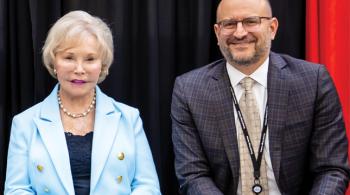
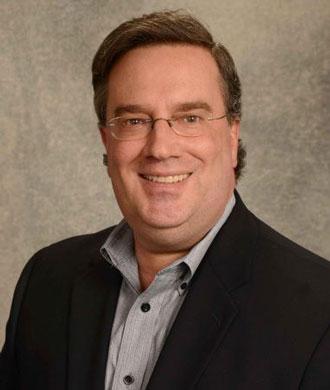
A stroke happens when blood flow to part of the brain is disrupted—either because a blood vessel gets blocked or because it breaks and causes bleeding. Many people think strokes only happen to adults, but children—even newborns—can have strokes too. Unfortunately, awareness is low, and strokes in kids are often misdiagnosed, which can lead to dangerous delays in treatment. Just like in adults, recognizing the signs quickly can make a big difference in recovery and outcomes for kids. Join Dr. Brad Schlaggar, president and CEO of Kennedy Krieger Institute, along with Drs. Ryan Felling, Laura Malone, and Richard Boada, as they talk about what families need to know about strokes in children.
Learn More About Kennedy Krieger Faculty & Staff Members Featured in This Episode
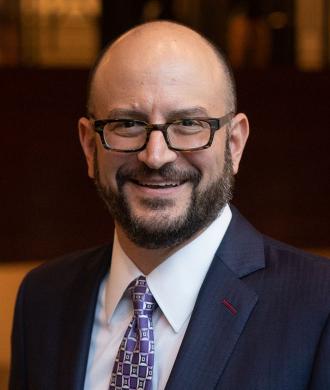
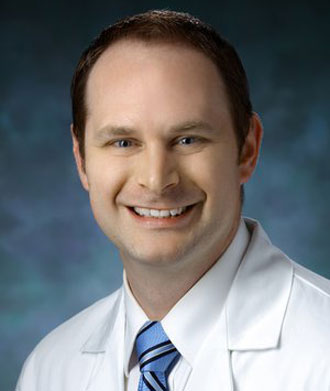
Ryan Felling, MD, PhD
Dr. Brad Schlaggar (BS): Welcome to Your Child's Brain, a podcast series produced by Kennedy Krieger Institute with assistance from WYPR. I'm Dr. Bradley Schlaggar, pediatric neurologist and president and CEO of Kennedy Krieger Institute. A stroke occurs when there is interruption of blood flow to a part of the brain, causing injury or destruction, and loss of functioning of that portion of the brain. The interruption of blood flow could be due to a blockage of an artery. We call that ischemic stroke, or the bursting of a blood vessel with bleeding, and we call that hemorrhagic stroke. When blood does not flow to where it needs to, brain cells can die in just a matter of minutes. While stroke is commonly understood to be a neurologic emergency in adults, especially older adults, it's a necessity to recognize that stroke, although rare, also occurs in newborns, infants, and children. Indeed, from birth to the 18th birthday, the annual incidence of pediatric stroke is around one out of every 20,000 children and adolescents, with the highest incidence occurring in the perinatal period at around one in every 3,000-4,000 newborns. That translates to around 20 babies in Maryland each year. Indeed, the rate of stroke in adults does not match that in newborns until around the sixth decade of life. Although pediatric stroke is rare, it is a leading cause of acquired brain injury in children and ranks among the top 10 causes of death in childhood, yet awareness remains low, and symptoms are often misdiagnosed or missed altogether, leading to dangerous delays and treatment. As with adult strokes, immediate action improves outcomes. In this episode of Your Child's Brain, we'll dive into pediatric stroke, what makes it similar to and different from adult stroke that challenges and early recognition, and the latest advances in treatment and rehabilitation. Joining me today are three of my exceptional colleagues at Kennedy Krieger and Johns Hopkins Medicine with expertise in pediatric neurology, neuropsychology, and neurorehabilitation. I'm pleased to be joined today by Dr. Ryan Felling, a pediatric neurologist, who is the director of the Johns Hopkins Pediatric Stroke Program and specializes in the evaluation and treatment of children with a wide range of cerebrovascular diseases. He's also an Associate Professor of Neurology at the Johns Hopkins University School of Medicine. Dr. Laura Malone, also a pediatric neurologist, is a physician scientist whose research at Kennedy Krieger's Center for Movement Studies is focused on optimizing neurorehabilitation after pediatric stroke. She is an Associate Professor of Neurology and Physical Medicine and Rehabilitation at the Johns Hopkins University School of Medicine. Listeners to this podcast also know Dr. Malone as the director of the Pediatric Post-COVID Rehabilitation Clinic at Kennedy Krieger. Dr. Richard Boada is a licensed clinical neuropsychologist in the Center for Neuropsychological and Psychological Assessment at Kennedy Krieger. He's also an associate professor of Psychiatry and Behavioral Sciences at the Johns Hopkins University School of Medicine. Welcome, Ryan, Laura, and Rich. Laura, let's start with you. How often does stroke occur in newborns and infants, and children?
Dr. Laura Malone (LM): Thanks, Brad. That's a great question. As you mentioned, it seems like it is relatively rare in older children. However, it definitely does occur. The highest risk factor is around the time of birth, and that rate is around one in 3,000-4,000 live births here in the United States. Older children outside of that perinatal period, right around the time of birth, the rate of stroke is anywhere between 2-12 per 100,000 children every year in the United States. Now, there was a recent study that looked at incidents and prevalence rates not only in the United States, but also throughout the world. What they found is that, on average, there are about 100 per 100,000 children that have pediatric stroke. What that means is when we think about the US population, there's about 79,000 children currently that have pediatric stroke that are dealing with the impacts from that here in the United States.
BS: Laura, sticking with you and Ryan, maybe you could chime in as well, what causes stroke in children? How does that differ from what we see in adulthood?
LM: The first point I think that's important to talk about is that the common risk factors that we think about in adults, things like high blood pressure, high cholesterol, risk factors of smoking or diabetes, those tend not to really be the risk factors and what causes stroke in children. Now, when we think about risk factors, we generally divide it up in between perinatal, that time around birth or before birth, and then childhood because those risk factors differ. Really, one of the major risk factors that causes stroke in very young infants actually has to do with just normal pregnancy changes and the physiology that occurs between the infant and the mother right around the time of birth. We find that that's a particularly risky time. Ryan, do you want to weigh in on some of the risk factors in older childhood?
Dr. Ryan Felling (RF): Sure. I'd be happy to talk about that. As you said, it's really not the things that most people associate with stroke in adults. But the range is very wide. There's a lot of different causes of stroke in older children, and it can be things that kids are born with, like congenital heart disease. Kids can also have acquired heart disease that can contribute to stroke. The other big category that we often think about is problems with the blood vessels themselves. This could range from injuries to the blood vessels, and a lot of kids who have traumatic injuries or car accidents, for example. We also know a lot from research that's been done worldwide that infections play a really important risk in stroke and children, both because of their effects on the heart, as well as the brain and the vasculature.
BS: Ryan, what are the most common signs and symptoms of stroke in children? Again, how does that differ from what we see in adults?
RF: I think that's one of the fascinating things. I think a lot of people think that stroke appears differently in children, and it really doesn't. A lot of the symptoms of stroke in children are going to be the same as you would see in adults, depending on what part of the brain is affected. People have seen the billboards around with the FAST or the Be FAST looking at face, face drooping, arm weakness, speech changes. Those are all things that you can see in pediatric stroke, too. I think one of the difficulties is it's not always as easy to catch in children because they don't always cooperate like we would expect normal adults to when we're trying to examine them. But if you look carefully, a lot of the symptoms are going to be the same. The one big difference that I would want to point out, and is often a barrier to diagnosis, would be seizures, which are very common at the outset of stroke in infants, especially, but children also, which is very unusual compared to adults.
BS: Ryan, I think you gave us a bit of an answer to this, but talk more about why stroke is so frequently missed or misdiagnosed in children.
RF: I think this is a really important point and really one that I've dealt a lot with in my career, when I started the pediatric stroke program, and it's really one of the reasons that I did start it. We used to have significant delays in diagnosis, and I think part of the reason is really it's awareness. I think a lot of people just aren't aware that stroke can happen in children. It's funny. I still remember one story when I was in training, and we had a pediatric stroke come to the hospital. The EMT came in with him, and I happened to be standing there, and he said, I know children don't have strokes, but this really looks like a stroke to me, so we wanted to make sure we got him here. Sure enough, the child did have a stroke. I think people aren't really aware, but that's been work of a lot of people, including patients of our own, who have tried to raise awareness about pediatric stroke in the community among EMS providers so that people can recognize it more rapidly. We've really shown that putting these systems into place can really help with rapidly diagnosing stroke in children or at least improving the times the diagnosis.
BS: It's part of pediatric education, now, but it's also, you mentioned EMTs and many patients, the hospital that they're closest to is going to be a community hospital, so there may not even be a pediatrician on staff, especially in that emergency department. Increasing broad awareness that pediatric stroke happens is key, and we'll get to the importance of that early recognition and intervention. Laura, can you explain some of the distinctions? You started down this path a bit, but let's talk more about perinatal stroke and childhood stroke, the distinctions and the causes, how they present, and what it means clinically for those impacted.
LM: Perinatal stroke is defined as a stroke in a child that occurs sometime before birth, all the way through the first 30 days of life. Whereas childhood stroke is a stroke that occurs from one month of life, all the way up to 18 years of life. Part of the reason why there's a distinction between that is because the prevalence rates, the risk factors are different between those populations. Also, we think that there's a lot of important changes that are happening in the brain throughout childhood, but really in that first month of life, especially, and so outcomes might vary and be different between these two populations. Now, in perinatal stroke, most of the time, it occurs right around the time of birth. Actually, whereas Ryan was talking about in childhood, you'll see a lot of the same symptoms where there's weakness of one side of the face or the arm. Children might have headaches, or they might have seizures associated with that. But in perinatal stroke, most of the time when it occurs, actually, the deficits or the difficulties in movement or language appear over time. At the time of birth, the child is moving and acting pretty normally for those first six months of life. But then you might start to notice some weakness in one side of the body compared to the other, a preference, sometimes we see an early handedness. Those could be signs that actually there may have been a stroke that occurred earlier, that it may not just have come to clinical awareness. We see that sometimes, and part of that investigation is to actually do imaging of the brain to make sure that a stroke has occurred or hasn't occurred in patients like that.
RF: Laura brought up a great point of the perinatal strokes being different in that regard. I think just going back to the timely diagnosis. When you see an adult who looks like a stroke, most likely it's a stroke. I think the rarity in children is part of the problem, too, where mimics like seizures or migraines are far more common than stroke. But I think one of our messages that we always try to push out there is that most of those other things are less emergent, and that we should be thinking about stroke when it looks like a stroke up front.
BS: Ryan, I'm sticking with you. Are there sex or genetic, or demographic factors that make it more likely for an individual child to have a stroke?
RF: That's a great question and one that a lot of people are interested in right now. Although, to be honest, it's not well sorted out. I think you mentioned earlier. There is a slight predominance in boys, for example. There's certainly some genetic disorders that we know carry elevated risk of stroke, Trisomy 21, for example, other connective tissue disorders that have abnormalities of the blood vessels, genetic syndromes that are associated with heart disease. But people are just now starting to delve into more of the underlying genetics of stroke and how that can contribute risk.
BS: Let's transition our discussion to more about optimizing outcomes, survival, as well as functional outcomes after stroke. Rich, we can get you into the conversation. Each of you can contribute to this answer. What do you think are the most important issues for assuring optimal recovery after stroke, motor function, communication, cognition, and so on? Ryan, maybe we could start with you.
RF: I'll leave most of it up to the rehabilitation experts on the call here. I think really limiting damage up front is probably one of the most important things that we can do, and therefore, raising awareness, raising education, and putting systems in the place to be able to get patients to a hospital where we can provide treatments like thrombolytic drugs or mechanical thrombectomy that have really transformed adult stroke. That's really the first step, because if we can limit damage, then that really provides more opportunity for optimizing outcome.
BS: Thrombolysis, we're talking about clot-busting and thrombectomy, we're talking about removal of a clot.
RF: Yes, exactly.
BS: Laura, what are your thoughts?
RF: I agree with everything that Ryan had said. I think the first step is to limit and treat damage as quickly as possible. But unfortunately, for some individuals, that may not be an option, or they may not come to awareness early enough to receive those types of therapies. In that case, not only does optimizing recovery need to focus on early interventions to prevent secondary damage. Making sure that with injury that we're not causing other harm in that acute period of time after the stroke, but also making sure that we're starting early interventions, rehabilitation-based interventions for children. The optimal windows of plasticity of the brain after injury are not super well known, especially in children, because there's ongoing developing that's occurring, and so those windows might be longer or shorter. We're not really sure yet. Making sure that you can get patients hooked into therapies to help improve their outcomes and also prevent if they have ongoing risk for stroke, making sure that you're keeping an eye on that, preventing secondary stroke in individuals where that's a risk factor. But Rich can probably also talk more about this from the neurocognitive perspective as well.
Dr. Richard Boada (RB): Yes, I'm happy to, and thank you, Brad, for including me in this discussion today. I do want to mention one or two things first off, and that is that the outcome in stroke is quite variable, and there are a number of factors that influence that. Interestingly, the age at the time of stroke is actually one of the predictors of long-term outcome. It's not necessarily a linear relationship. Children seem to be most at risk when they have very early strokes or strokes that are occurring a little bit later in childhood. There seems to be a window, depending on the study, this will vary, but between one year of age and five years of age, where the outcomes seem to be a little better in terms of long-term sequelae of the stroke. People are still trying to understand why that is, but it is something that has been found across studies. The other things that really impinge on outcome is the size and location of the stroke. A stroke can be very focal, or it can be a very large area of brain that is affected. It can be cortical on the surface of the brain, or it can be in deeper structures of the brain. Depending on A, how much territory is affected, whether it's cortical or subcortical, the outcome is going to potentially vary. Ryan, I think and Laura also both mentioned seizures. If a child often they present with seizures at the time of stroke, but if they continue to have seizures, then that usually potentially means that there could be some worse outcome or more difficult recovery. One of the key components of treatment is obviously trying to treat the seizures if they are there. All those factors are at play. But then the things that we really want to optimize is early identification and early intervention. Laura mentioned this. I totally agree with that. There is a critical window during which children are going to benefit most from interventions, whether it be physical and occupational therapy, speech therapy, and other behavioral treatments and educational supports. We want to lay the foundation and improve the foundation upon which these children are going to build early on, and we have the best success when that happens.
The other piece that I think is critical is monitoring these kids over time. Many times kids are seen, at the time of stroke, maybe over the next six or 12 months. But really, what's necessary is to follow these kids over the course of their childhood. Some kids may need more monitoring than others, but many children grow into some of their deficits as the demands increase in school and at home and in society so long term longitudinal follow up is also a key component so that we can modify the interventions as needed.
BS: Ryan?
RF: Yeah, I just want to add to Rich said. I think that longitudinal follow up is really important and a huge focus between Kennedy Krieger and Johns Hopkins, making sure that we're following patients throughout their childhood. But as well as emerging, growing into their deficits like Rich said, life comes at children pretty quickly, and deficits that were not a problem before may become deficits, depending on what challenges they're facing as they get older. For example, mental health, I think is a big one that we see more and more as kids get older because their deficits now become much more of a challenge to them than they were previously when they were smaller children.
BS: Yeah, I think about it also from executive functioning standpoint. The typical emergence of executive function comes a little bit later in childhood development so you may not see whether an earlier stroke has an implication for executive functioning until the expected rolling out of those functions later. This is a really important point and underscores the importance of this longitudinal follow up, but it also underscores the importance of interdisciplinary approaches to care, which is something I know that everybody in this discussion believes in. Let's talk about how interdisciplinary stroke teams and coordinating the care for pediatric patients helps both during the acute phase. Ryan, perhaps you can address that, and also during the neuro rehabilitative phases, and Laura and Rich on that so Ryan.
RF: Yeah, I think it's critically important because we have a lot of really smart people in the stroke field speaking broadly, but there's so much going on from the start of a stroke to that long term follow up that nobody can be a perfect expert in everything, and we need help from all around. From the acute phase, again, from presentation, understanding, which treatments can be applied early, how we can prevent recurrent stroke and what things we need to do in that regard. The focus really shifts at that point to, now how can we help the brain recover and how can we optimize outcomes? We have an acute medical team in place, and that includes people from the emergency department, people from radiology, our neurology teams, and rehab gets involved very early in our program, because again, speaking to those critical windows of recovery, we really want to start that process of helping the brain recover as soon as we can.
BS: Laura.
LM: In line with that, I think that, as Ryan had mentioned, not only is it during the acute phase, but then as people transition to rehabilitation programs, whether that's inpatient or day rehabilitation programs or even outpatient services and for the rest of their lives, it really does require a team because we all take a little piece to the puzzle, because the deficits and difficulties that a child might have vary from one individual to the other, and it can encompass all aspects of their lives, and so it's really important to be able to address that and to layer those services on that might become one problem might be more of an issue at one time in a child's life. But then later down the road, they might have more cognitive difficulties or emotional problems, whereas before, we were mostly focused on seizures, and so having a really good team that communicates across disciplines and really works to overall, just improve the functioning and the quality of life of children with stroke is really important, and really does impact long term outcomes.
RB: I'd like to just add one or two more things, if I may. I think the real strength of an interdisciplinary team is that the providers are all communicating with each other. If there is a good team, that means that I can be talking to Ryan or I can be talking to Laura or other providers, therapists, almost in real time, in terms of what they might be seeing, how it might be impinging on the child's recovery. What things I should be focused on when I'm talking to the patient and or their family, and educating the family is a really important aspect of all of this. They need to understand the phases of recovery that their child is going through and how to optimize their interaction with the child so that they're not pushing too much, expecting too much or expecting too little and really trying to get them back as quickly as possible to baseline and begin to think about how we reintroduce them to school and what support they're going to need, but also doing it in a way that preserves the family dynamic and the family functioning as much as possible.
BS: Rich, picking up on that point, especially around the reintegration to schools. I'd like you to speak to the role of a neuropsychologist in addressing the most common long term effects of pediatric stroke, strategies to help with recovery, but also the role that you play that neuropsychologists play in the process of getting back into, for example, integration into school and other parts of life.
RB: Yeah, of course. First of all, most people haven't heard of neuropsychology. We are clinical psychologists first, but we have specialized training in brain behavior relationships. Our evaluations are a lot of assessment. The analogy I like to use is we are looking under the hood. We have a big engine. It's got a lot of parts, and everything is needed to make the car run. The neuropsychologist lifts up the hood and is really checking in on every component of that engine, and that means language function, spatial abilities, reasoning skills, reading, math, attention, memory, fine motor skills as it pertains to activities of daily life and writing and so forth. All those things need to be looked at, and What we do is we create a profile of strengths and weaknesses that can then be used to A, understand the deficits, B, give guidance as to which treatments might be the best treatments to put in place and in what sequence or at what time, and how strengths can be used to compensate for deficits. We use a strength based model, but we also want to improve dysfunction or deficit areas, and we can use both the strengths and the weaknesses to gather our understanding of all of that to really put together a nice treatment program. A lot of that happens in rehab, with all the different therapists when the children are in outpatient or inpatient rehab. But eventually, they have to go back to school, because that's a child's work. They need to go to school and learn and play and socialize, and we need to let the team at school know how to put together a good IEP and individualized educational plan or program so that we are continuing to provide them with the support that they need in terms of therapies. But also how to modify their learning of academic material, whether it be language based or math or auditory, etc, because some accommodations might be necessary, and we want to instruct the school teams to continue to do those kinds of things that are needed for the child to be as successful as possible, and that really falls many times to the rehab team in general, but to the neuropsychologist as well, since we often take a point in communicating these things to the school system.
BS: Laura, did you want to comment?
RB: Yeah, I was just going to add on to Rich's comment and reiterate the importance of the school accommodations, and it is important to be aware that children with stroke, are able to learn and grow and do many of the activities that other typically developing normal children are able to do that don't have stroke. But they sometimes just need a little extra support, and so it's important to recognize that, provide those supports to them because they'll be able to develop in their skills. They'll be able to learn new things that you may not think they're capable of because they have a stroke. But without that awareness and paying attention to that, it could easily go missed, and so it is so vitally important to get those supports not only in school, but in other activities of daily living, because one of the questions I get all the time, especially acutely after a stroke from parents is what's my child going to be like in 10, 15, 20 years? It's hard to predict exactly what that looks like. But with these types of interventions, we find that children with stroke, most children can walk. They can talk. They can go to school, they can learn, they can hold jobs. But it's about finding what individual things they need in order to succeed.
BS: That's a great segue to the question, and Rich, I'll ask you first, is, how can families and coaches and teachers and other adults in the child's life best support a child's recovery after stroke, and what resources are available for caregivers and other adults in that child's life?
RB: I think there are a number of supports, and the first one comes from working hopefully with an interdisciplinary team at the medical institution or the rehab hospital, etc, and to use your outpatient therapists and providers to guide you as a way to find some of those resources in a particular community. I think that it is very important to be aware that a good number, so about 50% of children with stroke are at higher risk for a learning disability or an attentional deficit diagnosis, potentially a different etiology in this case, coming mainly from their stroke, not necessarily from genetic factors, but both could be at play. Whenever these symptoms come up and they become more problematic, it is important for them to speak with their neurologist or their pediatrician and get the appropriate referral for a neuropsychological or psychological evaluation to deal with some of these learning difficulties, attention issues. About a quarter of children with stroke are going to have anxiety or depressive symptomatology that's a pretty large proportion of kids, and we don't want to miss that because that can definitely affect how a child functions, especially as they understand the differences that they have relative to their peers. This happens a lot in middle school and high school. These children are trying to become more independent and to think about their future, and if they're looking inward and really making comparisons to the things that they struggle with, many times some depressive symptoms can come to bear. We want to make sure that we treat those things as much as possible and that we seek out the appropriate professionals. Overall, there are a number of stroke organizations nationally that provide support, including the International Alliance for Pediatric Stroke, as well as the International Pediatric Stroke Organization, and those are national organizations that have components for parents and community resources, etc. They're also advocacy groups, for example, here at Kennedy Krieger Institute, we have a great department called Project HEAL, and they provide parents with some support for advocating for their children in the school districts and in the community at large. So there are resources that can definitely be helpful for families, siblings, and the patients themselves.
BS: We can link those resources to the page associated with this episode of the podcast, those and others that you all identify. For this last question, I'd like each of you to identify perhaps your single most favorite research direction that excites you that's on the horizon for improving outcomes for children with stroke, and Rich, maybe start with you.
RB: Oh, I don't know if I can keep it to one, Brad, but I will try. This is very early going in this area. But I think neurostimulation might be a very promising line of research at some point. Maybe more so for certain skills than others, but I know that there's new technology out there that might allow us to bring together appropriate brain stimulation together with other regular therapeutic activities to try to maximize a child's function and improvement. I think that in the next 10 years, I think we're going to be seeing a lot more of that potentially.
BS: Ryan?
RF: I could go many, many different ways with this. But I think if I had to pick my favorite or my most hopeful my interest is really in that acute recovery period, how can we really maximize repair of the brain in the short term? Unfortunately, right now, my answer is we don't have a lot to offer, aside from retraining through physical therapy and occupational therapy. But there's a lot of ongoing work to look at, like Richard mentioned, the non invasive stimulation aspects, and are there medications that can be helpful in this regard? A lot of this we're going to be driving from adult studies, but how can we apply it and how can we find new strategies for children as well? I think is really important.
BS: Laura.
LM: I think that this is a really exciting time for pediatric stroke research. There is a lot of heterogeneity in the population with regards to what causes stroke, what outcomes look like, how development affects that. If I had to choose one area, I would say thinking about precision medicine approaches to treatments and therapies, trying to get the right treatment at the right time for the right child because there are all these different causes to it and timing of injury, and really trying to identify and matching what those individual risk factors are, how those affect prognosis, and then how we can change prognosis with some of these therapies, I think is really exciting and where the field is really moving towards, and I think that we'll have a lot of growth in that area in the coming decades.
RF: Right. If I could just add one other thing. These are pie in the sky hopes, and I think we're definitely going to get there. I think there's a lot of low hanging fruit too that we would love to understand more. A lot has been focused on relatively shorter term outcomes. But, for example, what do kids look like when they get to adulthood? Very little work has been done there, and I know some of my patients that are just doing phenomenal things as adults and as college students or whatever the case may be, and I think, even getting that information out there would bring a lot of hope and excitement to the field as well.
BS: Well, I think that's a great place to end, and thank you to our guests, doctors Richard Boada, Ryan Felling, and Laura Malone, and we hope that you, our listeners, have found this discussion interesting and informative. Please check out our entire library of topics on your child's brain at wypr.org, KennedyKrieger.org/ycb or wherever you get your podcasts. You've been listening to Your Child's Brain. Your Child's Brain is produced by Kennedy Krieger Institute with assistants from WYPR and producer Mark Gunnery. Please join us next time as we examine the mysteries of your child's brain.