Resources
- What is a synapse? Read more at BrainFacts.org.
- Find out more about SYNGAP1-Related Disorder
Learn More About Kennedy Krieger Faculty & Staff Members Featured in This Episode
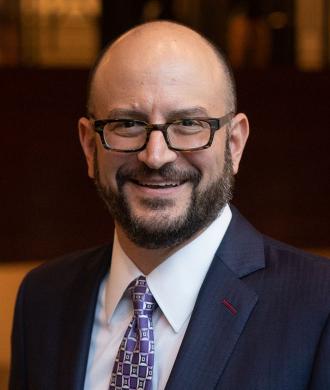
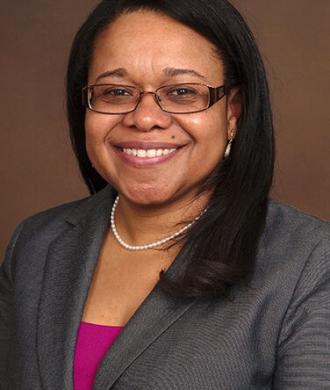
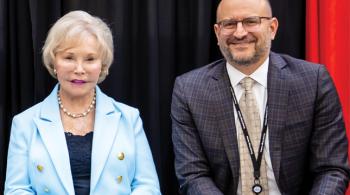
Dr. Brad Schlaggar (BS): Welcome to Your Child's Brain, a podcast series produced by Kennedy Krieger Institute with assistance from WYPR. I'm Dr. Brad Schlaggar, pediatric neurologist and president and CEO of Kennedy Krieger Institute. Last month, the month of February, was recognized internationally as Rare Disease Month. In last month's episode, we talked about how common it is to have a rare disease. That might sound like a paradox, but when you consider that there are roughly 10,000 rare diseases, it makes sense that the opportunity for any one of us to have a rare disease is pretty high. In the US, alone, around 30 million are just shy of 10% of people have one of those rare diseases. At Kennedy Krieger rare disease involving the developing nervous system, that's the brain, spinal cord, nerve, and muscle is a major focus for us. We see thousands of patients with rare neurodevelopmental disorders clinically, and through our research mission, contribute significantly to the cutting edge of basic and clinical investigation to understand how to best treat those conditions. One family of rare diseases of the developing nervous system involves the synapse. The connection between two neurons that provides the way that most information is transmitted through the brain and the rest of the nervous system. At the synapse, chemical neurotransmitters are released from the presynaptic neuron and cross what's called the synaptic cleft to be received by the postsynaptic neuron. The synapse is an extraordinarily complex structure, whose development and functioning relies on over 1,000 genes. Over the last 25 years, as we've come to understand with much greater detail how synapses develop and work. The concept of synaptopathy or disorder of the synapse has emerged. Today, we'll dive into one of those synaptopathies, a very rare disease called SYNGAP1, which affects about one in 16,000 people worldwide. It is due to mutations in the SYNGAP1 gene, resulting in intellectual disability and some other clinical features which we'll discuss today. The SYNGAP1 gene and the protein produced by it were only first discovered not so long ago in 1998, in studies revealing the important role the gene and protein play in the development and functioning of the synapse, such as in learning and memory. The first patients with mutations in SYNGAP1 were identified 11 years later in 2009, with the emerging realization at that time of the significant benefit of whole exome sequence testing for disorders of the developing nervous system. You can reference our February 2025 episode of Your Child's Brain for more information on genetic testing and counseling. In this month's episode of Your Child's Brain, we'll be speaking with my exceptional colleague, Dr. Connie Smith-Hicks, the founding director of Kennedy Krieger's Center for Synaptic Disorders, and an international expert on SYNGAP1-related disorder, and other synaptopathies. Dr. Smith-Hicks is also an associate professor in the Department of Neurology at the Johns Hopkins University School of Medicine. Welcome Connie. Let's get started by giving our listeners some of the science they'll want to have to follow along with our conversation. In the introduction. I spoke about the synapse and synaptopathies. What else would you add, for example, when you're in clinic speaking with a family about disorders of the synapse? How do you frame it?
Dr. Connie Smith-Hicks (CSH): Thanks, Brad. It's a pleasure to be here. That's a great question for which I think you have nicely set the stage. I generally start by sharing that the synapse is a major communication hub between neurons where the presynaptic terminals from one neuron connect with multiple postsynaptic neurons. At these sites, that information is rapidly transferred and processed thereby connecting neurons into circuits. These circuits are important for learning, for memory, for movement, for processing of sensory information, and behavior. When synapses are not functioning properly, we have disorders that affect your ability to learn, remember, walk, talk, use your hands, and regulate or responses to the stimuli environment. You shared earlier that several hundred genes play critical roles in the formation and function of synapses. Some of these are the presynaptic genes, such as STXBP1, SYNGAP1, which are essential for proper neuro transmitter release. Others encode postsynaptic proteins that receive chemical signals from the presynaptic neurons, for example, the glutamate and the GABA receptors that are found on the postsynaptic membrane. There are additional genes that are required to maintain the architecture of the synapse. These include the Shank family of scaffolding proteins. Then there are the postsynaptic regulators like SYNGAP1, which helps to fine tune the strength of the synapse. Importantly, the synaptic connections are highly dynamic, so they strengthen and they weaken and response to neuronal activity. This ability to change known as synaptic plasticity is a fundamental biological process that supports learning and the formation of new memories.
BS: You mentioned SYNGAP1. Thanks for that background information. What more can you add in reference to the function of the protein SYNGAP, as well as the gene SYNGAP1? What more do we know about those?
CSH: Great question. The SYNGAP1 gene contains the instructions for making the SYNGAP1 protein. It's the protein that actually does the work in the brain. What's interesting is that our body doesn't only make one version of the protein. It makes four slightly different versions, and these are called isoforms. Now, each version is present in a different part of the neuron. It plays a different role and it reaches its highest level at different stages of brain development. The SYNGAP1 protein is present in the brain before birth where it helps neurons to develop properly. Then after birth, the amount of the SYNGAP1 protein increases significantly because it's required for the maturation and strengthening of the synapse, thus allowing the neuron to respond appropriately. One interesting feature of SYNGAP and its role in synaptic plasticity is at basal levels of neuronal communication, the SYNGAP protein blocks the action of a small protein called Ras, but when neuronal communication is increased, the SYNGAP protein releases its block on Ras, and through a series of steps, the synapse becomes enlarged. Now, interestingly, when there is not enough SYNGAP1 protein, the block on Ras is removed, and the synapse remains locked in this enlarged state. Thus it disrupts the plasticity of the synapse. You can imagine that this inability to appropriately respond to activity, so the synapse is not able to get large and small will contribute to the clinical features of the SYNGAP1 disorder.
BS: Fascinating biology, what do we know about what causes a SYNGAP1 related disorder, and what are some of the clinical features, the symptoms?
CSH: SYNGAP1, the disorder results from changes in the DNA. That is the gene. When these changes disrupts the functional expression of the protein, that leads to a state of what we call haploinsufficiency where there is not enough of the SYNGAP protein. And that's what contributes to the core features of global developmental delay, intellectual disability, epilepsy autism, challenging behaviors, and disrupted sleep.
BS: It sounds like with this complex biology, a fair amount is known. It also sounds like there's an opportunity for SYNGAP1 to function both in childhood, but also throughout the lifespan, is that correct?
CSH: That is correct. SYNGAP1 is required for our learning and memory across the lifespan, which is one of the explanations for why the SYNGAP1, one of the isoforms is present throughout life.
BS: SYNGAP1 as a disorder is typically diagnosed in childhood. Can you speak more to when and how that diagnosis is now made?
CSH: Yes. Children generally come to the attention of a neurologist or a developmental pediatrician at about two years of age due to concerns of delays in their development, whether it be their language or their motor skill. Generally, it's both, but also because there are perhaps some concerns for an autism spectrum diagnosis. Now, since both autism and global developmental delay have strong genetic basis, genetic testing is often offered, and it's performed in consultation with a genetic counselor or upon referral to a geneticist. SYNGAP1, the diagnosis requires the presence of disruptive changes in the gene in order for us to confer a diagnosis of SYNGAP1, the disorder. The more common genetic tests that are performed are the exome and the genome sequencing, because those are the tests that are more likely to identify these disease causing changes in the gene.
BS: I mentioned in the introduction that it was in 2009 that the first patients with SYNGAP1-related disorder were identified, but SYNGAP1 as a condition very likely existed prior. What happened that made it possible to make the diagnosis, and how has that changed over the 16 plus years since that time?
CSH: The advent of next generation sequencing has allowed us to make a diagnosis for several hundred genes and many different patients that we were previously unable to diagnose because of the type of genetic testing that previously existed. Previously, we asked were genes present or absent? Now with the next generation sequencing, we're able to look at the actual letters within the gene. The vast majority of individuals with SYNGAP1-related disorders have changes at the sequencing level, so they may have a single DNA nucleotide that's different. That single change is a thing that confers the disruption in the protein and protein function. Over the past several years, perhaps starting as early as 2010, there's been an increase in the availability of whole-gene sequencing and next generation sequencing in general, and that has resulted in an increase in the number of patients that we have been able to identify.
BS: With SYNGAP1 and with a myriad other diagnoses at this time, which has really been the impetus for deeper understanding of the increased number of rare diseases that we now have a better handle on. How is SYNGAP1 related disorder treated? Are there any specific treatments available at this point?
CSH: Despite us knowing about the disorder for over 15 years and the ongoing work of researchers across the world, we currently do not have treatments that address the root cause for this disorder. Care is focused on managing symptoms. Treating their epilepsy, their sleep difficulties, their gastrointestinal problems, as well as supporting behavioral and developmental challenges through the use of therapy such as physical therapy, occupational therapy, speech, and behavioral intervention. Now, with regard to the availability of treatments. Here at the institutes, we offer a comprehensive interdisciplinary approach to care, which includes the management of their seizures, their challenging behavior, sleep disorders, and their developmental concerns. While treatment for epilepsy and development are more widely available, care for their challenging behaviors remains limited and difficult to access across the country. Challenging behaviors may take the form of self injury, aggression, elopement, they are not only common, but they are significant part of the disorder and can affect nearly every aspects of the child's daily life. Despite the impact, families often have the greatest difficulty finding specialized, consistent, and effective support for their child's challenging behaviors.
BS: You also mentioned sleep, and I know that much of your own research has centered on sleep disorders in SYNGAP1 in related conditions. Can you give us an update on how that research is going and what you hope to learn from that approach, how it might impact improve care?
CSH: Yes, great question. Sleep disturbance is a major problem in children with synaptic disorders affecting between 65-80% of patients. Not only are sleep disturbances more common, they're also more severe when we compare them to typically developing children. We have found that children with SYNGAP1 have difficulty settling down for sleep. Despite the use of melatonin and other sleep aids that help them to get to sleep, they remain restless during sleep. That results in early morning arousal and increased daytime sleepiness. Additionally, children with sleep disorders tend to have higher levels of dysregulated behaviors that negatively impact their quality of life and that of their caregivers. It's been long known that the desire to sleep is influenced by sleep pressure, that is the build up of the need to sleep and the intersection of sleep pressure with circadian time in. When these two align, we fall asleep. Now, interestingly, the SYNGAP1 protein is expressed in the suprachiasmatic nucleus, the SCN, which is the master circadian clock. It tells our bodies when to awaken, when to sleep, when to eat, and when to be active. Focus of our research is to understand the relative contribution of sleep pressure and the function of the SCN to sleep disturbances in SYNGAP1. Our vision is to be able to use this information to develop effective treatments for sleep disturbances, not just in SYNGAP1 but in other similar disorders.
BS: Just to be clear for our listener. The suprachiasmatic nucleus that's a nucleus in the brain that controls the circadian rhythm, the daily rhythms that we have that contribute to such behaviors as normal sleep cycles, suprachiasmatic refers to where it is in the brain. You made the point about the relationship between sleep and dysregulated behaviors. Do you have evidence that when you improve sleep in a given patient, that the next day's behavior can be better?
CSH: We have semi anecdotal evidence of that from several parents who have reported, the child sleeps through the night, so they're no longer awakening early climbing on the roof, getting into mischief.
BS: It's a general principle. Sleep modulates all kinds of behaviors the next day. As we've talked about previously on this podcast, it's the critical role of sleep in all aspects really of neurologic and psychiatric and psychologic care. Now, Connie, your center draws together other disorders of the synapse. These synaptopathies, we mentioned. What other conditions do you see in your center? How do you see the benefit for clinical care and for research of having a center that draws together these multiple kinds of synaptopathies?
CSH: Great question, Brad. Our center is comprised of three main clinics. We see patients with 14 different genetic disorders. These genes were chosen because they're functionally expressed at the synapse and they converge on brain networks that subserve neurodevelopmental features of autism, ID epilepsy. Then the disorders were further stratified based on the core clinical features. We have the Rett and Related Disorders, which is a Center for Excellence for Rett Syndrome, and we see patients with disease causing variance in the MECP2 gene. We also have the FMR1 and Related Conditions Clinic where we see patients with Fragile X syndrome. Thirdly, we have the Synaptopathies Clinic, which has been the focus of our conversation. In the Synaptopathies Clinic, we care for patients whose disorders arise from changes in the genes that are expressed at the synapse. These include genes involved in the presynaptic release of neurotransmitter, so STXBP1, synapsin, genes that encode glutamate receptors, such as grin, and to the greater family of genes, genes that regulate GABA signaling, such as SLC6A1, and the GABR families, and genes that regulate the structural organization of the synapse, such as the Shank family of genes. The mission of our center is to improve the lives of individuals with synaptic disorders through comprehensive interdisciplinary care, and to be able to accelerate the development of clinical trials. To accomplish this, we leverage clinical care to inform research that drives novel disease bi markers and develop quantitative metrics that can be used across these disorders. Our ability to have the specialized clinic that brings together different synaptopathies, with shared clinical features makes it possible to accomplish this vision.
BS: I know that one of the large research projects that you're involved with is the NIH funded Brain Gene Registry. What's that registry, and what is its purpose?
CSH: The Brain Gene Registry, otherwise, called the BGR, is a national NIH funded research initiative that is designed to accelerate understanding of genetic variations that affect brain function. Especially in conditions involving intellectual disability, epilepsy and autism. It was created to overcome a major barrier in neurogenetics, and that was a lack of large share datasets, linking genetic variants to real world neurodevelopmental outcomes that can be used to support the development of targeted treatments. The vision of the BGR is really to improve the lives of individuals affected by this disorder. It is a collaboration of 13 US Intellectual Developmental Disability Research Centers. It is led by teams at Washington University of St. Louis, Boston Children's Hospital, Harvard, University of North Carolina, and we are one of the participating sites.
BS: I think it really underscores how important collaboration across these major centers, these intellectual and developmental disabilities research centers, one of which sits at Kennedy Krieger in partnership with Johns Hopkins, that makes it possible to pull together information about these very rare conditions. Without that consortium approach, it would not be possible to move the field forward as has been happening these last 10 years or so. That support matters immensely. Connie, listening to you, and I've heard you speak to your expertise so many times. Now, I'm curious about what drew you to pediatric neurology and rare neurogenetic disorders. Are there any common misconceptions about the field that you'd like to address, as you talk about what drew you into it?
CSH: Yeah. My interest in neurology began during my neuroanatomy class in medical school, and I was fascinated by the structure and organization of our nervous system, our ability to predict disorders based on the part of brain that was affected, and I later became interested in how the brain adapts to stimuli and injury and how that capacity changes and varies over our lifespan. It was that curiosity that led me to study the molecular mechanisms underlying synaptic plasticity and It was the emergence of next generation sequencing technologies that really created that perfect opportunity for me to integrate my interest in genetics, neurology, and neuroscience, and pediatric neurology was really the perfect discipline to combine those interests in part because I enjoy caring for kids. You ask about misconceptions in the fields. There are many, but I think there are two that I'd like to highlight. One of which is that behavioral issues and learning difficulties aren't neurologic. There aren't genetic, but in fact, they really can be. Conditions like ADHD, learning, disability, behavioral issues really sit at the cross road between neurology, psychiatry, and psychology. They're influenced not only by how the brain develops, but how it functions and responds to the emotional environmental factors of our lived experiences. I think a second misconception is that genetic disorders must be inherited and that all genetic disorders are by nature untreatable. In reality, the vast majority of genetic changes that cause neurodevelopmental disorders arise de novo, meaning that they are new in the child and not inherited from either parents. These findings carry important prognostic and counseling implications, and in some cases, they may even point to targeted treatment options.
BS: That is a great setup for my final question, which is always, I think the most exciting one for a physician scientists like yourself to get into. You talk about potential treatment options. What do you consider to be the most exciting and promising research on the horizon for disorders like SYNGAP1 in terms of getting to specific treatments that don't exist right now?
CSH: It's an exciting time to be a child neurologist in the space. One of the promising areas of research is really what I'll call next generation gene therapy. Although we have identified single gene disorders and the rate at which the identification has progress has been tremendous, the development of targeted genetic treatments has lagged behind. I think, largely in part due to challenges in crossing the blood brain barrier and limitations in our current gene delivery systems. I think that they have been a lot of advances in not only RNA biology, which we hope will increase the number of new disorders that are being diagnosed, but also RNA based therapeutics can be leveraged in addition to the engineering of safer more efficient AAV9 capsids. AAV9 being the gene therapy capsids to enable delivery of genes to the brain, and it is my hope and anticipation that bringing these all together will lead to promising breakthrough treatments for many of these brain based disorders.
BS: Well, that's a great place to end, Connie. I want to thank our guests, Dr. Connie Smith-Hicks for joining us today. I hope our listeners have found today's discussion to be both interesting and informative, and that you'll share this podcast with your friends and family and rate us if you're so inclined. Please check out our entire library of topics on Your Child's Brain at WYPR. Org, KennedyKrieger.org/ycb or wherever you stream your podcasts. You've been listening to Your Child's Brain. Your Child's Brain is produced by Kennedy Krieger Institute with assistance from WPR and producer Mark Gunnery. Please join us next time as we examine the mystery of your child's brain.