
Clinical Fellows provide services to children and families across the Institute. Their certified supervisors recognize the importance of helping Clinical Fellows improve the lives of children with neurodiverse needs. At Kennedy Krieger, Clinical Fellow supervisors are on-site to provide support and feedback, while fostering independence.
Unique learning opportunities exist to help Clinical Fellows broaden and deepen their training during this professional mentorship experience. The interdisciplinary Core Course (supported by the federal Leadership Education in Neurodevelopmental and Related Disabilities—also known as LEND—grant) is a hybrid curriculum designed to support all trainees at the Institute in improving their interdisciplinary clinical skills and cultural and linguistic competence. In addition, Kennedy Krieger’s Clinical Fellow Seminar provides an ongoing opportunity for Clinical Fellows across all programs at the Institute to gather, build community, and discuss content that bridges the gap from graduate school to independent practice.
We are delighted that 85% of our Clinical Fellows stay on after their Clinical Fellowship Year. Many former Clinical Fellows become supervisors and leaders, here and across the nation.
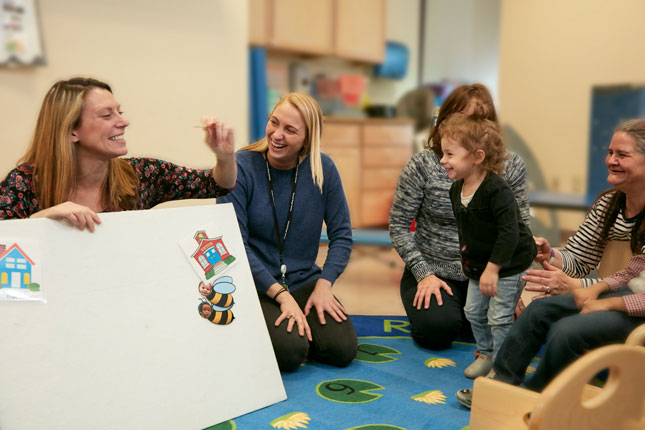
This well-established, early intervention program offers services to children from birth to kindergarten in their homes, in community settings, and in the clinic. Most of our patients are children 3 years old and younger who live in Baltimore City and Baltimore County. The program works in partnership with Baltimore City Infants and Toddlers Program (BITP) to provide therapy and service coordination services to children who qualify. With BITP, CFSC provides outreach to underserved communities (i.e. Hispanic community and Orthodox Jewish community).
SLPs work closely with caregivers, occupational therapists, physical therapists, service coordinators, and social workers to meet children’s and families’ needs. Parent and caregiver coaching and training is a consistent focus of treatment. Feeding disorders are treated with a holistic approach, emphasizing active participation, independence, and shared control.
Children in this program have a variety of diagnoses. The most common diagnoses include speech and language disorders, feeding disorders, literacy challenges, developmental delays and autism.
Strong Beginnings is an intensive classroom program for children 18 months to three years of age who have been diagnosed with autism spectrum disorder or who are experiencing difficulties with engagement and communication. This classroom meets three days per week for two hours per day. The speech language pathologist and the occupational therapist work together, with individual treatment time incorporated into the group time.
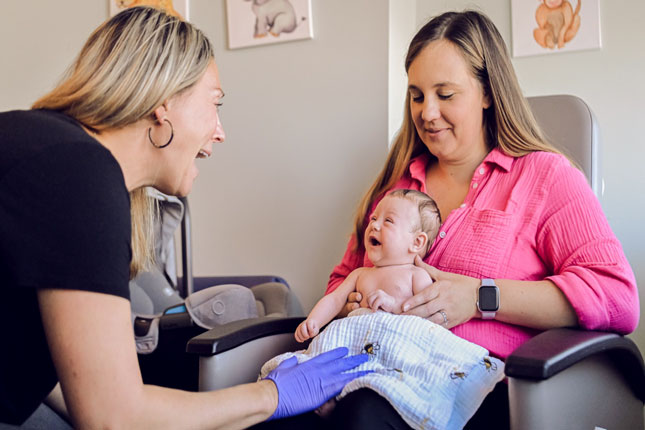
The TOTs Clinic is staffed by an interdisciplinary treatment team working with infants 6 months old and younger, and their families, who are experiencing feeding difficulties caused by tethered oral tissues. The clinic follows a short-term treatment model of generally six to eight sessions over two to six months. A feeding therapist (OT or SLP) and physical therapist work together in co-treatment sessions. A social worker also provides support to families. The feeding therapists are certified lactation consultants, and they address both breast and bottle feeding.
Early Childhood Development and Education Center (EDEC)
The center is primarily located at Kennedy Krieger’s Tudsbury Road location. It is comprised of two early childhood programs: Southeast Early Head Start and Early Learning Classrooms.

SEEHS is a specialized attachment-based, trauma-informed child care program for children from birth to 3 years old whose families are experiencing a variety of high-risk factors. It provides an inclusive environment where typically developing and neurodivergent children can learn together. It also offers screening and consultative therapy services, staff training, and is an eligibility evaluation site for the Baltimore City Infants and Toddlers Program. The Early Starts with Secure Connections classroom is an intensive program for children 18 months to three years of age who have been diagnosed with autism spectrum disorder or who are experiencing difficulties with engagement and communication. This classroom meets three days per week for two hours per day. Speech language pathology services are provided in conjunction with occupational therapy and classroom instruction.

EDEC’s accredited preschool and prekindergarten program is for children 3 and 4 years old. The ELC is located at Kennedy Krieger’s Tudsbury location and provides an inclusive environment in which typically developing children and children who are neurodivergent learn together. The ELC also offers child- and family-centered therapy services.
Fairmount Rehabilitation Programs
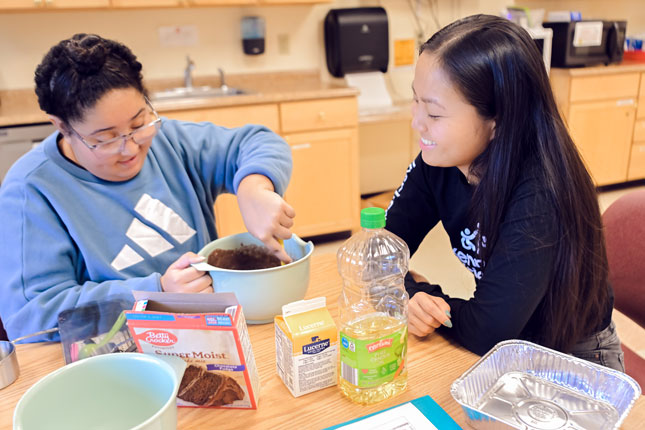
The Fairmount Rehabilitation Programs, often referred to as STP, offer an array of intensive specialized and interdisciplinary therapy services for patients with injuries and disorders of the brain, spinal cord, and musculoskeletal system. The intensive day program is accredited by The Commission on Accreditation of Rehabilitation Facilities (CARF) in Brain injury and Pediatric Specialty rehabilitation standards and specializes in neurorehabilitation protocols, complex medical rehabilitation, chronic pain, post orthopedic rehabilitation, constraint induced movement therapy, and intensive treatment of patients with persistent, disabling conditions.
Our team members work together to provide interdisciplinary treatment to meet each patient’s needs and put them on the path of improving their functional skills and enhancing their health and fitness. The team includes professionals in pediatric physiatry, nursing, physical and occupational therapies, speech-language pathology, neuropsychology, and special education. Consultative services from other disciplines, such as assistive technology, are readily available. A unique feature of our day program is we offer special education services during a patient’s stay when appropriate.
When a patient begins, interdisciplinary team members work closely with the patient and their family to develop an individualized treatment plan, with the overreaching goal of increasing independence in home, school, and/or work, and in the community. We have an average census of 15 patients per day, and patients range in age from 1 to 21. Patients typically need to tolerate at least 3 hours of consecutive therapy in 3 different disciplines, and day length, and length of stay in this program is dependent on patient protocol and needs, with a typical minimum of 20 days.
The SLPs in this program complete admission evaluations and provide treatment as appropriate in feeding and swallowing, augmentative communication, cognitive rehabilitation, motor speech therapies, language expansion, functional communication, and speech and language development.
Improvements in communicative abilities may come from the use of an augmentative communication system, development of a functional communication system, training on breath support and production of speech, and/or speech motor planning.
Therapy to develop or redevelop memory and/or organizational skills helps individuals meet cognitive demands. Therapy focusing on activities of daily living and improving physical skills also supports improved functioning. For the best outcomes, patients often participate for three to six hours a day, five days a week, for at least four weeks.
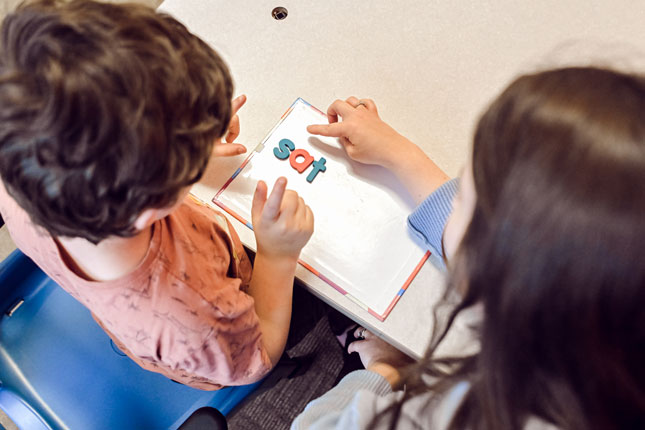
This program provides a spectrum of treatment services in patients’ homes or community settings. Patient diagnoses are similar to other Fairmount rehabilitation programs, and the age span here is even wider, from 1 month to young adult.
The program involves an interdisciplinary team consisting of specialists in speech-language pathology, occupational therapy, physical therapy, social work, and neuropsychology. Speech-language services include evaluations and treatment of all aspects of communication, including oral motor/swallowing, language, speech, voice, cognition, and AAC. Family and caregiver training is an important aspect of this program.
Treatment intensity varies according to each patient’s goals and needs. Intensive treatment across disciplines might occur weekly or several times a week. During a transitional period, patients who can work independently on treatment goals but still need monitoring may be seen every other week. Just prior to discharge, staff members may see patients on a monthly or quarterly basis and then continue to consult with them, as needed. Telehealth is provided as needed, especially for carryover purposes.
Patients have accessed services in this program at many different points along their recovery, sometimes reducing the length of their inpatient stay and the costs of care.
Center for Autism Services, Science and Innovation (CASSITM)
CASSI houses a multifaceted program designed to meet the needs of children with autism spectrum disorder (ASD) and their families. The program develops effective models of care and disseminates information about best practices to families, care providers and professionals on a national and international basis. Staff members offer direct clinical services to children from infancy into young adulthood across four locations in Baltimore, Columbia, and Odenton.
Staff members in the clinical program provide developmental assessments through single and interdisciplinary evaluations, and also provide individual and group intervention services. Disciplines include psychiatry, neurology, developmental pediatrics, neuropsychology, clinical psychology, speech-language pathology, occupational therapy, and social work.
CASSI’s Achievements Therapeutic Day Program offers individualized treatment in a small-group setting for children 2 to 5 years old. Naturalistic Developmental Behavioral Interventions (NDBI) used in this program focus on enhancing skills in language and communication, reciprocal social interaction, and self-regulation. Theme-based teaching nested in familiar routines fosters learning. Through best-practice methods and careful individualization, the team strives to make the classroom not only a place of learning, but also a place where children can form friendships.
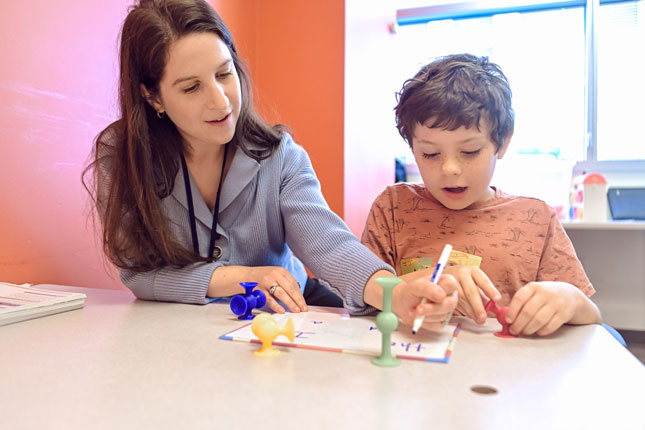
CASSI sponsors several outreach and training activities to meet its goal of sharing current information with families and practitioners regarding the diagnosis and treatment of children with autism. To reach a wide variety of audiences, outreach takes many forms.
CASSI’s well-attended annual conference provides information to parents and professionals across disciplines who work with children with autism. Presenters include CASSI staff members and renowned investigators and practitioners in the field.
A recent summer workshop targeted training for speech-language pathologists and individuals who teach or care for young children with autism. Topics included typical play and learning for toddlers, fostering developmentally appropriate play, and the integration of language and play with familiar routines.
Requests for training come from parents and professionals in Maryland and other states and countries. Outreach and advocacy activities can be tailored to the needs of individual children and their families.
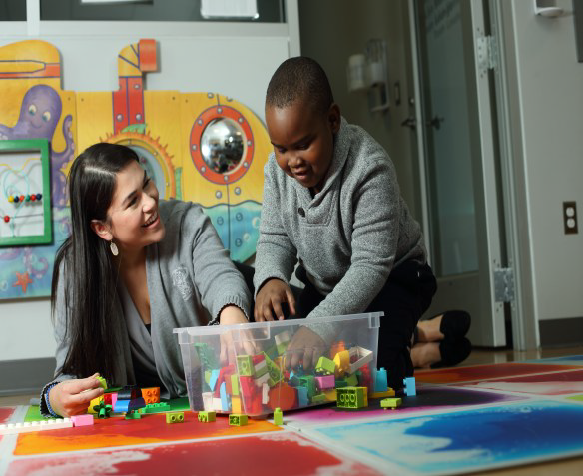
The research component of CASSI receives federal and private funding to study the causes of and treatments for autism and social communication disorders.
The diverse group of professionals at REACH investigates many areas of research. Sample topics of study include early detection of autism and other developmental disorders, establishing early diagnostic criteria for autism, understanding how children with autism and other disorders learn and how to enhance this learning, strategies for very early intervention, developmental trends in children who have autism, the neurological bases of motor and attention deficits in children with autism and the impact of these disorders on development, links between motor impairment and communication disorders, factors affecting fetal brain development and implications for autism, and environment-gene interactions in autism.
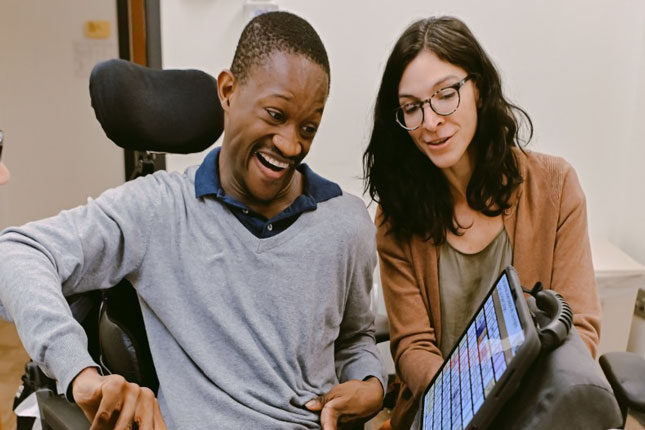
At Kennedy Krieger's interdisciplinary AT Clinic, innovative technologies and the expertise of our specialists allow children and adults of all ages to enjoy many of the same activities as their peers. Professionals from speech-language pathology and occupational therapy collaborate to help patients build independence. Patient diagnoses include cerebral palsy, brain injury, spinal cord injury, muscular dystrophy, Down syndrome, autism, Rett syndrome, developmental delay, rare chromosomal anomalies, and others.
Assessments address communication, power mobility, computer access, phone and/or tablet access, reading, writing, mounting, and environmental control unit (ECU) needs. For patients with multiple AT needs, technology is selected to maximize integration and independence. For example, a patient might use the same access method for driving a power chair, accessing a phone and accessing an augmentative and alternative communication (AAC) device. Treatment-based visits help patients maximize their use of equipment, and caregivers are often involved in this training to support implementation across environments. Skills from this experienced team have wide-reaching benefits, as they consult with and train primary treating clinicians across the Institute when technology needs arise.
The AT Clinic maintains a library of AAC systems, tablets, alternative access input methods, mounting systems, ECUs and AT software support. Skilled staff members and up-to-date technology combine to improve quality of life for patients who often face enormous accessibility barriers.
The Audiology Department is located in the outpatient center on the Institute’s Broadway campus. Audiologists work closely with SLPs at the Institute in outpatient, inpatient and school settings.
The Institute’s audiologists are skilled in the assessment of children and young adults with complex neurodevelopmental and medical conditions, as well as behavioral difficulties. They offer hearing evaluations for newborns, young children, teens and young adults at risk of hearing loss using state-of-the art procedures to provide comprehensive diagnostic evaluations. Services also include screening of hearing and middle ear status, sedated and unsedated auditory evoked potential testing, and central auditory processing testing. Fitting and dispensing hearing aids and assistive technology for hearing is an integral part of their practice. The department uses objective measures and developmentally appropriate behavioral test procedures to verify that a child is receiving optimal benefit from their hearing aids.
Recent research by the department has looked at audiological findings in disorders like osteogenesis imperfecta and adrenomyleoneuropathy, parent recognition of hearing loss in children with Down syndrome, auditory function and the effects of sedation on auditory brainstem in Rett syndrome, and the prevalence of hearing loss and ear morbidity in adolescents and young adults in Nepal.
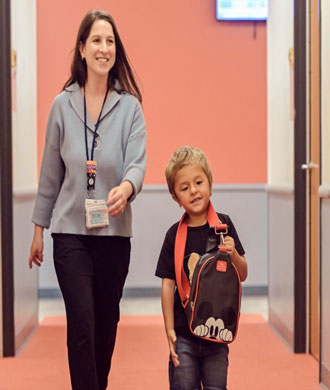
Outpatient speech-language services at Kennedy Krieger are offered at two locations: the Broadway campus in downtown Baltimore and the Columbia location on the outskirts of Baltimore.
Patients in these programs range in age from toddlers to young adults, and they come from local neighborhoods, surrounding counties, and even other countries. Some patients receive their first diagnoses here, while others have questions about existing diagnoses or treatment programs, or are seeking a second opinion. Most patients have difficulties in other areas of functioning, many of which affect their communication, feeding, and/or swallowing skills.
SLPs conduct comprehensive evaluations and provide individual and small-group treatment using evidence-based practices focused on maximizing functional and meaningful skills within an episodic care model.
SLPs in this program are focused on interdisciplinary care and often collaborate with other disciplines to provide a comprehensive plan of care.
Inpatient Programs
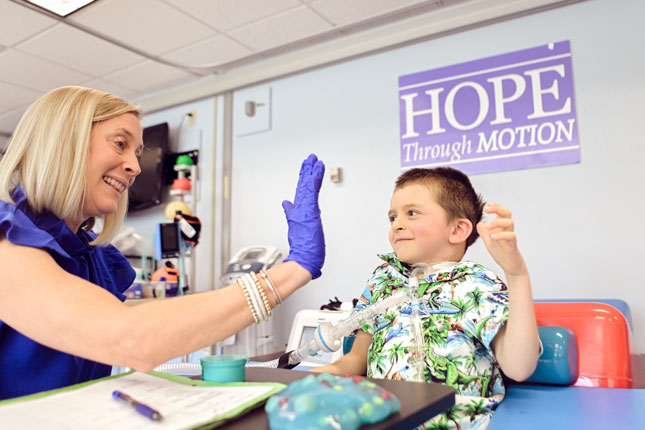
Established in 1979, Kennedy Krieger’s inpatient rehabilitation unit was the first program of its kind in Maryland to be accredited by the Commission on the Accreditation of Rehabilitation Facilities (CARF). The unit cares for individuals from birth to young adulthood who have decreased functioning due to a variety of causes, including brain disorders and injuries, spinal cord disorders and injuries, prematurity, chronic pain, orthopedic surgery, and complex medical conditions, including those requiring ventilator assistance or tracheostomy tubes. Patients receive comprehensive, interdisciplinary treatment from a variety of specialties and fields to create individualized treatment plans. The team includes practitioners from medicine, nursing, occupational and physical therapy, speech-language pathology, behavioral psychology and neuropsychology, social work, nutrition, child life, therapeutic recreation, music therapy, assistive technology, education, and nursing care management.
SLPs on the rehabilitation team conduct evaluations and treat speech, language, cognitive-linguistic, and voice disorders, often with the use of speaking valves. They also coordinate oral motor, and feeding and swallowing assessment and treatment, which may include completing modified barium swallow studies at The Johns Hopkins Hospital and fiberoptic endoscopic evaluations of swallowing on the unit. . SLPs are specially trained to work with infants who are having difficulty with bottle feeding. Lastly, SLPs work closely with the Assistive Technology Department on patients’ use of augmentative and alternative communication systems and technology to access the environment. Speech-language services are provided through individual sessions as well as co-treatment sessions, when clinically appropriate. There are also opportunities for group sessions co-led by recreational therapists and music therapists.
Family training is an important aspect of a patient’s admission, to ensure caregivers are equipped with the necessary skills and techniques to support the patient’s communication, cognition, and feeding and swallowing abilities once they are discharged home. Before discharge, care is coordinated with school and community providers to help patients successfully transition back to their school, home and community lives.
The NBU is a 16-bed inpatient unit dedicated to the assessment and treatment of patients with developmental disabilities experiencing severe, dangerous behaviors. Patients who are admitted to the unit have behavioral disorders that are intense enough to cause significant self-injury or harm to others. Length of stay varies, but patients generally spend several months on the NBU.
Overall treatment involves an interdisciplinary approach to integrating behavioral and pharmacological interventions for these patients.
Patients admitted to the NBU receive behavioral, psychiatric, educational, medical, communication, and social assessments and interventions. Behavioral strategies follow an applied behavior analysis model.
SLPs evaluate and treat patients’ functional language via total communication (verbal speech, augmentative and alternative communication, signs, etc.), play, literacy, feeding and swallowing, and voice skills. They partner with other professionals to identify links between communication and challenging behaviors, and they help patients replace challenging behaviors that served a communicative function with safe and appropriate means of expression. High-, mid- and light-tech augmentative systems support communication alongside verbal expression. Staff and caregiver training are integrated to improve outcomes.
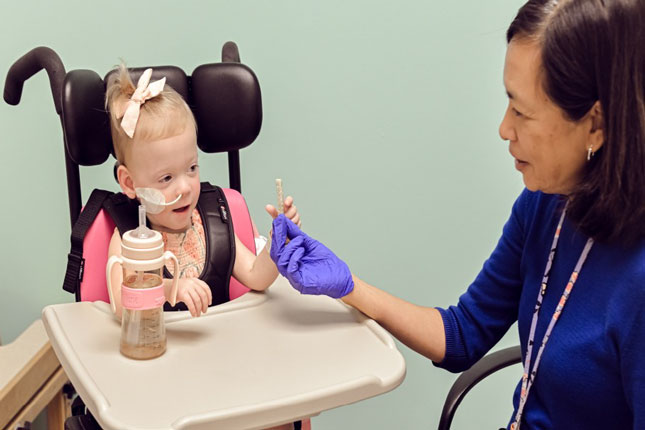
This program’s continuum of care starts with our interdisciplinary outpatient clinic, where children are evaluated or seen for follow-up. More medically complex children may be recommended for an intensive six-to-eight-week day treatment program or inpatient stay. Babies and toddlers may also be treated in our inpatient setting, including by our SLPs and occupational therapists, if medically indicated. SLPs, behavioral psychologists, occupational therapists and nutritionists offer individualized outpatient services, with behavioral psychology services typically being the most intensive. Other members of the interdisciplinary team collaborate as necessary. Factors like severity of needs, medical stability, and type and intensity of service dictate the programs recommended. Children can move across levels of service, as needed.
Program directors have expertise in medicine and behavioral psychology. Other primary disciplines include nursing, nutrition, speech-language pathology, occupational therapy and social work. The team addresses children’s and their families’ needs relative to the complex nature of a pediatric feeding disorder. Across programs, coordination of care leads to management of medical concerns, improved feeding and swallowing skills, improved nutritional status, and the acquisition of appropriate behavior, so mealtime can become a positive experience.
SLPs use a variety of responsive feeding techniques, incorporating their knowledge of development and specialized training in swallowing to provide comprehensive care. They collaborate with occupational therapists and provide guidance to the interdisciplinary team on recommended consistencies, textures, and feeding strategies. Experienced SLPs perform instrumental assessments when warranted. Responsibilities for SLPs working in the Pediatric Feeding Disorders Program include initial evaluations at the time of admission; individual and/or co-treatment sessions with occupational therapists, as appropriate; interdisciplinary team meetings and discussions; and discharge planning with appropriate supporting documentation.
Kennedy Krieger School Programs
Kennedy Krieger School Programs (KKSP) are nonpublic special education schools approved by the Maryland State Department of Education (MSDE). Students are referred to KKSP by their local education agency (LEA) when their educational needs exceed what can be met in their local school setting. Students receive funding from their LEA for enrollment at KKSP until they are able to return to the less restrictive environment in their own community. A comprehensive intake process ensures a good match between KKSP and the student.
Staff members develop an individualized education program (IEP) for each student outlining the type and intensity of services the student will receive while enrolled in special education. Speech and language services are an integral part of the educational program for most of the students at KKSP. SLPs collaborate with education and related services staff members to offer a variety of communication services designed to meet students’ needs.
Through this collaboration, education and support staff members make classroom adaptations to lessen the effect of students’ language difficulties, increasing their chance for success with schoolwork.
Because communication support is an integral part of KKSP’s interdisciplinary work, students learn to use communication and compensatory strategies throughout their school day. The following descriptions highlight the specific programs within KKSP.
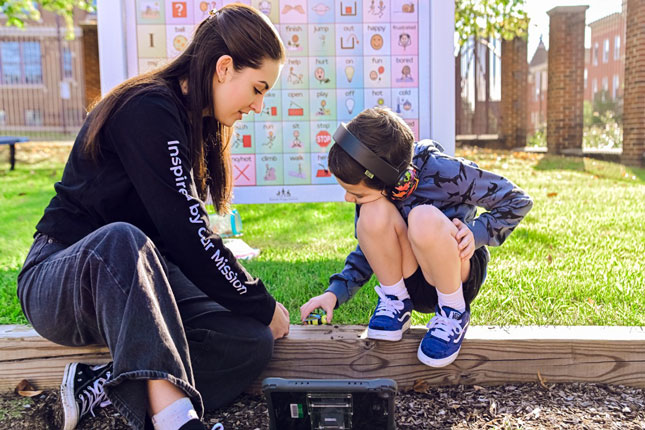
Students in the 11-month elementary, middle-grade, and highly structured teaching (HST) programs may have one or more of the following diagnoses: autism spectrum disorder, language and learning disabilities, emotional/behavioral disorders, traumatic brain injury, and other neurological disorders.
Classes range in size from six to eight students and include a teacher, an assistant teacher and classroom assistants, if required by a student’s IEP. SLPs work closely with education and clinical staff members to determine students’ needs, set appropriate goals and provide training in meaningful learning environments. SLPs also work collaboratively as a department sharing materials and ideas and engaging in schoolwide initiatives and events.
Students receive speech and language services through a variety of modalities, according to their needs. Services may be provided through a combination of classroom-based sessions, “push-in” sessions within the classroom to facilitate educational access, and “pull-out” services. In addition, co-treatments with other disciplines may be conducted when deemed clinically necessary.

Another program within KKSP developed to meet the needs of children with autism and other neurological disorders is nicknamed LEAP. This 12-month interdisciplinary program, with smaller class sizes, meets the needs of students diagnosed with severe communication and behavior disorders.
The program ranges from a functional academically based program for younger elementary-aged students to a functional life skills and/or work-based curriculum for older students. Professional staff members offer educational and related services through structured protocols that are individualized according to student need.
SLPs provide speech-language and communication services to all students in this program through several models, including classroom, individual and small-group sessions.
Additionally, some students participate in community outings (work-based learning for older students and practice in purchasing things at a school store for younger students) to generalize the skills they build in individual treatment sessions to less structured community settings.
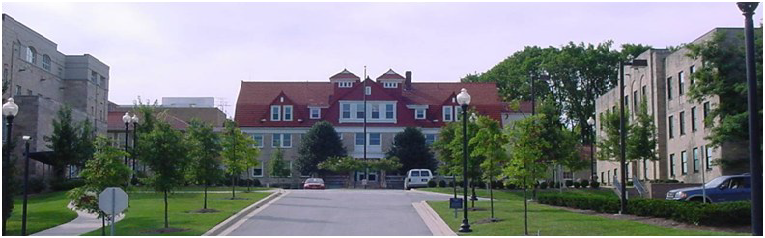
KKHS is a highly specialized setting offering a broad array of special education and related services. Programming is tailored through the use of small learning communities that recognize the strengths and special needs of each of our students. KKHS operates two “schools within a school,” or academies. The academies’ organization allows students with a wide range of skills and abilities to achieve their academic goals in the least restrictive setting possible. The academy design incorporates specialized delivery of instruction, classroom structure and behavioral interventions. Students may transition between KKHS programs as their developmental needs change.
Academy I students are enrolled in courses within the general curriculum, leading to a Maryland high school diploma. Academy II students have disorders or disabilities that significantly impact academic or cognitive functioning, and they require a high level of special education or related support services in the classroom setting. They work to earn a Certificate of Completion.
SLPs work with students individually, in small groups and/or in a co-teaching model, per the student’s IEP. In addition, SLPs work collaboratively in the academic classroom and facilitate instruction for individual students. SLPs collaborate with teachers to identify teaching strategies that complement individual learning styles. Skills and strategies addressed in speech and language therapy include pre-reading skills, organization, following directions, problem-solving, critical thinking, word retrieval, memory, pragmatic language, intelligibility, oral motor skills and verbal expression. Speech and language evaluations occur as ordered through the IEP process.
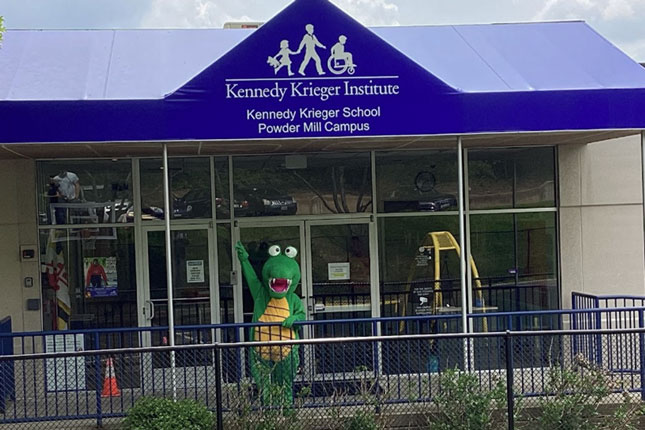
Established in August 2007, the Powder Mill Campus school (formerly located at our Montgomery County Campus) serves students with autism spectrum disorder and other neurological disorders from Prince George’s County, Montgomery County, Washington, D.C., and surrounding counties. The program prepares students for completion of high school through a diploma track (second through eighth grades) or for a Certificate of Completion through a certificate track (ages 7 to 21).
SLPs collaborate with special educators, occupational therapists, behavior specialists, social workers, and creative arts therapists to meet students’ needs in a multi-sensory, language-rich environment. SLPs offer treatment though classroom-based groups led by the SLP, push-in sessions, small-group, individual and community-based instruction. In addition, the Powder Mill Campus has a work-based learning program. Highschool and students who will soon be transitioning work onsite and offsite with extensive SLP coaching.
The instructional program uses evidence-based practices and follows best-practice teaching methods, including the TEACCH® Autism Program, applied behavior analysis, discrete trial training, incidental learning, pivotal response treatment, functional communication training, social skills training, augmentative and alternative communication , modeling, visual supports, video modeling, and social narratives.
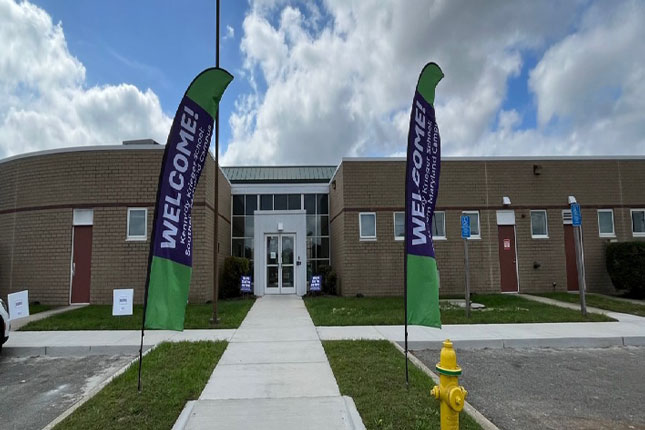
Nestled in beautiful St. Mary’s County, our newest school serves students with autism and developmental disabilities in kindergarten through 21 years old from St. Mary’s, Charles, and Calvert counties. The 11-month program employs evidence-based practices, such as applied behavior analysis, the TEACCH® Autism Program, discrete trial training, augmentative communication, and visual supports. SMC features an interdisciplinary approach to individualized programming.
SLPs collaborate with special educators, occupational therapists, behavior analysts and social workers to best meet the needs of their unique students. They rely on their clinical judgment to offer services in a variety of ways, including in individual, whole-group, small-group and dyad settings, and by offering support during classroom activities.