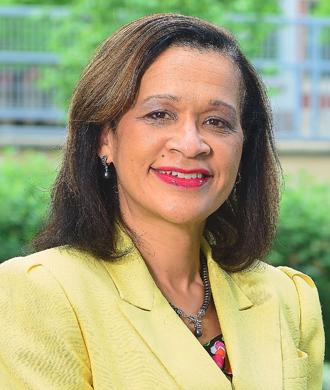
![]() | Robert M. Gray, Ph.D. Pediatric Neuropsychologist Dr. Robert Gray is a pediatric neuropsychologist and research scientist at the Kennedy Krieger Institute. He is also an instructor of Psychiatry and Behavioral Sciences at the Johns Hopkins School of Medicine. |
Biographical Sketch:
Dr. Gray received his Ph.D. in School Psychology from the University of Texas at Austin in 1999, and completed his internship training at the University of Minnesota Medical School, Department of Pediatrics/Pediatric Neurology. Dr. Gray completed a 2-year postdoctoral fellowship in Pediatric Neuropsychology at the University of Minnesota Medical School Department of Pediatric Neurology/Neuropsychology. He is a licensed psychologist in Maryland. He joined the Hopkins/KKI faculty in 2001.
Research Summary:
A majority of Dr. Gray’s research experience thus far includes publications and presentations in the area of child neuropsychology focusing on the utilization of neuropsychological data to identify cognitive and behavioral patterns and subtypes in typical child and adolescent referred populations (attention deficit hyperactivity disorder, learning disabilities, emotional disturbances, conduct disorder). Dr. Gray has also been involved in researching the psychometrics and clinical utility of neuropsychological instruments.
Dr. Gray has been pursuing an interest in the area of childhood aggression, violence and antisocial behavior with a particular focus on investigating the neuropsychology and neurophysiology of childhood aggression and antisocial behavior. Dr. Gray’s long-term research goals include the use of an integrated approach, combining paradigms from developmental psychopathology, child neuropsychology, school psychology, and psychiatry to foster the development of more effective community, family and school based prevention, intervention and treatment options for children with disruptive behavior disorders.
Another major area of interest for Dr. Gray is in developing, implementing and conducting efficacy studies of a neuropsychological school consultation model that incorporates principles from child neuropsychology, school psychology, behavioral consultation, and systems theory to provide a continuum of services to special needs children in the schools.
Most recently, Dr. Gray has become involved in a series of research projects investigating general behavioral phenotypic expression and neuropsychological functioning among children with genetic disorders often associated with mental retardation (Autism, Fragile X syndrome, Rett syndrome, Down syndrome). These projects are multidisciplinary in nature, involving collaborative efforts across a variety of departments at KKI aiming to integrate neurological, molecular, neuroimaging, and behavioral data.
Dr. Gray has been pursuing an interest in the area of childhood aggression, violence and antisocial behavior with a particular focus on investigating the neuropsychology and neurophysiology of childhood aggression and antisocial behavior. Dr. Gray’s long-term research goals include the use of an integrated approach, combining paradigms from developmental psychopathology, child neuropsychology, school psychology, and psychiatry to foster the development of more effective community, family and school based prevention, intervention and treatment options for children with disruptive behavior disorders.
Another major area of interest for Dr. Gray is in developing, implementing and conducting efficacy studies of a neuropsychological school consultation model that incorporates principles from child neuropsychology, school psychology, behavioral consultation, and systems theory to provide a continuum of services to special needs children in the schools.
Most recently, Dr. Gray has become involved in a series of research projects investigating general behavioral phenotypic expression and neuropsychological functioning among children with genetic disorders often associated with mental retardation (Autism, Fragile X syndrome, Rett syndrome, Down syndrome). These projects are multidisciplinary in nature, involving collaborative efforts across a variety of departments at KKI aiming to integrate neurological, molecular, neuroimaging, and behavioral data.
Recent Publications/Presentations:
Kaufmann, W.E., Cortell, R., Kau, A.S.M., Bukelis, I., Tierney, E., Gray, R.M., Cox, C., Capone, G.T., Stanard, P. (In Press, 2004). Autism Spectrum Disorder in Fragile X Syndrome: Communication, Social Interaction, and Specific Behaviors. Accepted for publication in the American Journal of Medical Genetics.
Livingston, R.B., Jennings, E., Reynolds, C.R., Gray, R.M. (2003). Profile stability of psychological tests. Archives of Clinical Neuropsychology. 18(5), 487-508.
Gray, R.M., Jordan, C.M., Ziegler, R.S., Livingston, R.B. (2002). Two sets of twins with selective mutism: neuropsychological findings. Child Neuropsychology, 8 (1), 41-51.
Livingston, R.B., Gray, R.M., Broquie, J.P., Dickson, T.L., Collins, A.L., & Spence, S. (2001). Construct validity of Wechsler factor scores. Perceptual and Motor Skills, 93, 78-80.
Chang, P., Gray, R.M., & O'Brien, L. (2000). Patterns of academic achievement among patients treated early with Phenylketonuria. European Journal of Pediatrics, 159 (Suppl 2), S96-S99.
Gray, R.M., Livingston, R.B., Marshall, R.M., & Haak, R.A. (2000). Reference group data for the Reitan-Indiana Neuropsychological Test Battery for young children.Perceptual and Motor Skills, 91, 675-682.
Livingston, R.B., Gray, R.M., Haak, R.A., & Jennings, E. (2000). Factor structure of the Reitan-Indiana Neuropsychological Battery for children. Assessment, 7 (2), 189-199.
Livingston, R.B., Jennings, E., Reynolds, C.R., Gray, R.M. (2003). Profile stability of psychological tests. Archives of Clinical Neuropsychology. 18(5), 487-508.
Gray, R.M., Jordan, C.M., Ziegler, R.S., Livingston, R.B. (2002). Two sets of twins with selective mutism: neuropsychological findings. Child Neuropsychology, 8 (1), 41-51.
Livingston, R.B., Gray, R.M., Broquie, J.P., Dickson, T.L., Collins, A.L., & Spence, S. (2001). Construct validity of Wechsler factor scores. Perceptual and Motor Skills, 93, 78-80.
Chang, P., Gray, R.M., & O'Brien, L. (2000). Patterns of academic achievement among patients treated early with Phenylketonuria. European Journal of Pediatrics, 159 (Suppl 2), S96-S99.
Gray, R.M., Livingston, R.B., Marshall, R.M., & Haak, R.A. (2000). Reference group data for the Reitan-Indiana Neuropsychological Test Battery for young children.Perceptual and Motor Skills, 91, 675-682.
Livingston, R.B., Gray, R.M., Haak, R.A., & Jennings, E. (2000). Factor structure of the Reitan-Indiana Neuropsychological Battery for children. Assessment, 7 (2), 189-199.
Contact Information:
Robert Gray, Ph.D.
Department of Neuropsychology
Kennedy Krieger Institute
1750 E. Fairmount Avenue
(map & directions)
Telephone: 443 923-4442
Facsimile: 443 923-4470
Email Address: grayr@kennedykrieger.org
Faculty | Clinical Programs | Research
Department of Neuropsychology
Kennedy Krieger Institute
1750 E. Fairmount Avenue
(map & directions)
Telephone: 443 923-4442
Facsimile: 443 923-4470
Email Address: grayr@kennedykrieger.org