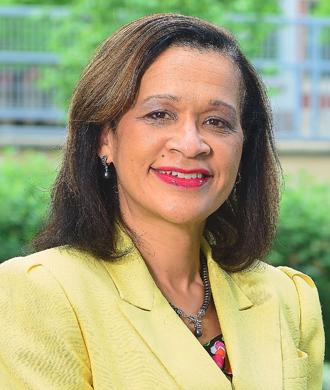
![]() | Louis Hagopian, Ph.D. Program Director of the Neurobehavioral Unit, Kennedy Krieger Institute Dr. Louis P. Hagopian is a research scientist at The Kennedy Krieger Institute. He is also an Associate Professor of Psychiatry and Behavioral Sciences at the Johns Hopkins University School of Medicine. |
Biographical Sketch:
Dr. Hagopian earned his Ph.D. in psychology (clinical child) in 1991 at Virginia Polytechnic Institute and State University. He then completed a Pre-doctoral Internship at the Kennedy Krieger Institute, and Department of Pediatrics, Johns Hopkins University School of Medicine. He is a licensed psychologist in the State of Maryland. Dr. Hagopian is Program Director of the Neurobehavioral Unit of Kennedy Krieger Institute’s Department of Behavioral Psychology.
Dr. Hagopian is on the Editorial Board of the Journal of Applied Behavior Analysis, and has served as a guest reviewer or a member of the Editorial Boards of other journals, including the Journal of Clinical Child Psychology , Research in Developmental Disabilities, and the Journal of Autism and Developmental Disorders. He is an active member of the Association for Behavior Analysis, the Maryland Association for Behavior Analysis, and the American Psychological Association; and serves on the Professional Advisory Board of the Maryland Autism Project.
Research Summary:
Approximately 10% of children and adults with intellectual disabilities, Autism or other neurobehavioral
disorders display severe behavior problems, such as self-injury, aggression, or property destruction.
The Neurobehavior Unit (NBU) at Kennedy Krieger Institute provides a continuum of care for these
individuals that includes consultation services, a 16-bed inpatient program, outpatient follow-up, and
intensive outpatient services. The primary approach used is applied behavior analysis, characterized
by the application of principles of behavior derived through laboratory research, the objective
measurement of behavior, and the systematic analysis of relations between behavior and
environmental events. The NBU is recognized as one of the leading programs in the nation for providing
intensive behavioral treatment to individuals with severe behavior disorders and developmental
disabilities as well as for offering advanced training in applied behavior analysis.
The individuals served on the NBU frequently present rare behavior disorders that require innovative treatment approaches, so the NBUs faculty and staff must constantly design new assessment and treatment procedures to meet the varied needs of their patients. Dr. Hagopians main research interests are in assessment and treatment of self-injurious behavior, severe behavior disorders, anxiety disorders, and the application of operant learning paradigms to examine clinical problems including austim and anxiety.
Recent Publications/Presentations:
Hagopian, L. P., Toole, L. M., Long, E. S., Bowman, L. G., & Lieving, G. A. (in press). A Comparison of dense-to-lean and fixed-lean schedules of alternative reinforcement and extinction. Journal of Applied Behavior Analysis.
Hagopian, L. P., Long, E. S., & Rush, K. S. (in press). Preference assessment procedures for individuals with developmental disabilities. Behavior Modification.
Hagopian, L. P., Rush, K. S., Richman, D. M., Kurtz, P. F., Contrucci, S. A., & Crosland, K. (2002). The development and application of individualized levels systems for the treatment of severe problem behavior. Behavior Therapy, 33, 65-86.
Hagopian, L. P., Rush, K. S., Lewin, A. B., & Long, E. S. (2001). Evaluating the predictive validity of a single stimulus engagement preference assessment. Journal of Applied Behavior Analysis, 34, 475-486.
Farrell, D. A., Hagopian, L. P., & Kurtz, P. F. (2001). A hospital-and-home-based behavioral intervention for a child with chronic food refusal and gastrostomy tube dependence. Journal of Developmental and Physical Disabilities, 13, 407-418.
Hagopian LP, Fisher WW, Thibault-Sullivan M, Acquisto J and LeBlanc LA (1998). Effectiveness of functional communication training with and without extinction and punishment: A summary of 21 inpatient cases. Journal of Applied Behavior Analysis 31: 211-235.
Hagopian, L. P., Fisher, W. W., Thompson, R. H., Owen-DeSchryver, J., Iwata, B. A., & Wacker, D. P. (1997). Toward the development of structured criteria for interpretation of functional analysis data. Journal of Applied Behavior Analysis, 30, 313-326.
Hagopian, L. P., Long, E. S., & Rush, K. S. (in press). Preference assessment procedures for individuals with developmental disabilities. Behavior Modification.
Hagopian, L. P., Rush, K. S., Richman, D. M., Kurtz, P. F., Contrucci, S. A., & Crosland, K. (2002). The development and application of individualized levels systems for the treatment of severe problem behavior. Behavior Therapy, 33, 65-86.
Hagopian, L. P., Rush, K. S., Lewin, A. B., & Long, E. S. (2001). Evaluating the predictive validity of a single stimulus engagement preference assessment. Journal of Applied Behavior Analysis, 34, 475-486.
Farrell, D. A., Hagopian, L. P., & Kurtz, P. F. (2001). A hospital-and-home-based behavioral intervention for a child with chronic food refusal and gastrostomy tube dependence. Journal of Developmental and Physical Disabilities, 13, 407-418.
Hagopian LP, Fisher WW, Thibault-Sullivan M, Acquisto J and LeBlanc LA (1998). Effectiveness of functional communication training with and without extinction and punishment: A summary of 21 inpatient cases. Journal of Applied Behavior Analysis 31: 211-235.
Hagopian, L. P., Fisher, W. W., Thompson, R. H., Owen-DeSchryver, J., Iwata, B. A., & Wacker, D. P. (1997). Toward the development of structured criteria for interpretation of functional analysis data. Journal of Applied Behavior Analysis, 30, 313-326.
Contact Information:
Louis P. Hagopian, Ph.D.
Program Director of the Neurobehavioral Unit
Department of Behavioral Psychology
Kennedy Krieger Institute
707 North Broadway, Baltimore MD 21205
(map & directions)
Telephone: (443) 923-2900
Email: hagopian@kennedykrieger.org
Associate Professor of Psychiatry and Behavioral Sciences
Johns Hopkins University School of Medicine
Faculty | Clinical Programs | Research
Program Director of the Neurobehavioral Unit
Department of Behavioral Psychology
Kennedy Krieger Institute
707 North Broadway, Baltimore MD 21205
(map & directions)
Telephone: (443) 923-2900
Email: hagopian@kennedykrieger.org
Associate Professor of Psychiatry and Behavioral Sciences
Johns Hopkins University School of Medicine