

CASSI at a Glance
The Center for Autism Services, Science and Innovation (CASSI™) at Kennedy Krieger Institute is a multifaceted, interdisciplinary program serving children, families and professionals in the autism community. The center combines clinical services, research and training programs to unlock the potential of autistic children and teens, enrich their life experiences, empower parents and promote the well-being of families through evidence-based practices. One of our major endeavors is developing effective new models of care for families and providers - locally, nationally and internationally.

Learn More About CASSI

About Us
Our interdisciplinary services are offered by a wide range of patient care and research professionals.

Our Clinical Services
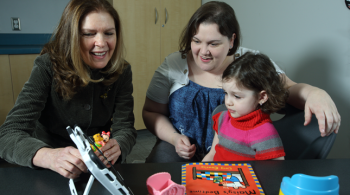
CASSI provides state-of-the-art evaluations using interdisciplinary models to identify individual strengths and needs to guide decision-making.

Outreach & Training
Through outreach and training, CASSI addresses areas such as social-communication difficulties, that affect the lives of children with autism spectrum disorders (ASD) and their families.

24th Annual Autism Conference
Tuesday, October 20, 2026 | Virtual
This year's conference is centered on the theme Celebrating Neurodiversity, Driving Change.
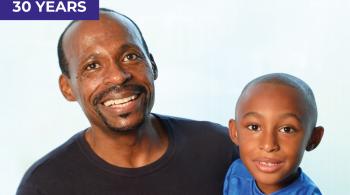
Celebrating 30 Years of CASSI
2025 marks a significant milestone for CASSI, as we celebrate 30 years of serving autistic individuals and their families while transforming how autism is understood, diagnosed and accepted in communities, universities and workplaces. Learn more about our origins, growth and vision for the future.

Research, Education & Updates

Research & Innovation
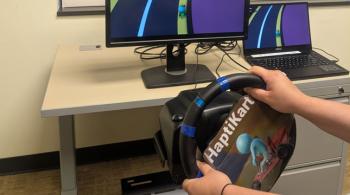
Research allows scientists to explore ideas about why things happen, how they are related to one another, or whether a particular treatment works. Research findings provide evidence that influence the programs and services offered in schools, clinics and communities.

Early Education
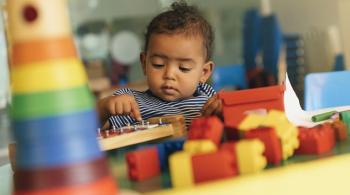
CASSI currently offers an inclusive early childhood education program for preschool-aged children.

News & Updates
Our newsletter features information about research opportunities, recent discoveries, upcoming special events and training opportunities, and shares celebrations and joys involving children, family members and community members who surmount challenges and provide hope for others.
Early Signs of Autism Video Tutorial
The Early Signs of Autism Spectrum Disorders Video Tutorial is a free 9-minute video tutorial on behavioral signs in one-year-olds. The tutorial consists of six video clips comparing toddlers who show no signs of ASD to toddlers who show early signs of ASD.
Each video is presented with voice-over explaining how the specific behaviors exhibited by the child, as they occur on screen, are either indicative of ASD or typical child development.


Impact Report 2025
Breaking Barriers, Building Futures
Celebrating 30 Years of Empowering Lives
Request a New Appointment
Schedule by Phone
Call: (443) 923-7630Schedule Online
Request an AppointmentTouching Lives & Making a Difference Articles, Blogs, Stories and More