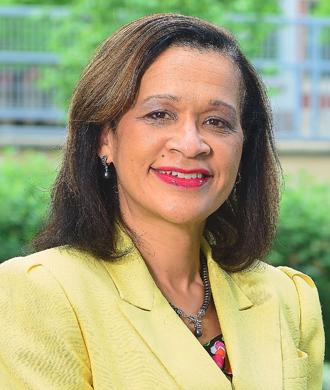
![]() | Qun Li, M.D., Ph.D. Research Scientist, Kennedy Krieger Institute Dr. Qun Li is a research scientist at the International Center for Spinal Cord Injury, Hugo W. Moser Institute at Kennedy Krieger. |
Biographical Sketch:
Dr. Qun Li graduated and earned a medical degree from Beijing Medical University. He received his Ph.D. degree in neurobiology from The Ohio State University (Drs. Beattie/Bresnahan’s lab) in 1996. After five years post-doctoral training in NIH (NICHD), St. Louis University, and Columbia University in neuroscience, he started working with Dr. John McDonald in Department of Neurology, Washington University in St. Louis as a research instructor in 2001. Dr. Qun Li joined the International Center for Spinal Cord Injury, Kennedy Krieger Institute in 2005.
Research Summary:
Dr. Qun Li’s long-term research goal is to investigate the plasticity and regeneration of traumatically injured spinal cord and to develop novel repair strategies to improve anatomical reorganization and functional recovery in experimental model of spinal cord injury (SCI). Currently, he is mainly focusing on the following areas of interest: (1) Embryonic stem (ES) cell transplantation in SCI. Mouse ES cells are induced to neural progenitors with 4-/4+ protocol (4 day without, then 4 day with retinoic acid in culture). After transplanted into contusive injured rat spinal cord, ES cells survive, migrate and produce permissive extracellular matrix (ECM), such as laminin and fibronectin, which promote damaged axons regenerating and passing through the lesion site. ES cell graft also produces matrix metalloproteinases (MMPs) and degrades inhibitory molecule chondroitin sulfate proteoglycan (CSPG) and astrocyte scar. As a result, ES cell transplantation promotes axonal regeneration of long descending pathway (such as corticospinal tract CST) in SCI. Transplanted high-purity of oligodendrocytes derived from ES cells remyelinat the spared axons in injured spinal cord. The remyelination not only promotes the recovery of locomotion behavior but also limits sprouting of nociceptive afferent fibers and attenuates neuropathic pain in SCI. (2) Activity dependent development of endogenous neural stem cells (eNSCs) in the spinal cord. The proliferating eNSCs in spinal cord are detected by BrdU labeling. The phenotypes of these newborn cells are confirmed as glial progenitors including oligodendrocyte progenitor cells (OPCs) or mature oligodendrocytes with double-immunostaining of BrdU with selective markers (Nestin, NG2, APC, etc.). The electrical activity in the spinal cord determines the development of these myelinating glial cells. Administration of reagents blocking neural activity (such as GABA-B receptor agonist Baclofen) decreases, but electrical stimulation on axons of corticospinal tract increases proliferation and differentiation of OPCs. These studies have important implications for harnessing activity to promote myelination after demyelination and may offer new approaches to the treatment of diseases including multiple sclerosis (MS) and spinal cord injury (SCI).
Recent Publications/Presentations:
Qun Li, Marcel Brus-Ramer, John H. Martin, and John W. McDonald. (2009) Electrical Activity in Axons of Corticospinal Tract (CST) Promotes Proliferation and Differentiation of Oligodendrocyte Progenitors in Rat Spinal Cord (in preparation)
Qun Li (2008) Electrical Stimulation Promotes Proliferation and Differentiation of Endogenous Neural Stem Cells in Normal and Injured Spinal Cord. Acupuncture Research 33:34-36
Anne M. Comi, Eunpi Cho, Justin D. Mulhilland, Andrew Hooper, Qun Li, Yun Qu, Devin Gary, John W. McDonald, and Michael V. Johnston (2008) Neural Stem Cells Reduce Brain Injury After Unilateral Carotid Ligation. Pediatric Neurology 38:86-92
Qun Li and John H. Martin (2002) Postnatal Development of Connectional Specificity of Corticospinal Terminals. The Journal of Comparative Neurology 447:57-71
Qun Li and John H. Martin (2000) Postnatal Development of Differential Projections from the Caudal and Rostral Motor Cortex Subregions. Experimental Brain Research. 134:187-198
Michael S. Beattie, Qun Li, Jacqueline C. Bresnahan (2000) Cell Death and Plasticity after Experimental Spinal Cord Injury. In F.J. Seil (Ed.) Progress in Brain Research. Vol 128 Elsevier, New York, pp. 9-21
Qun Li (2008) Electrical Stimulation Promotes Proliferation and Differentiation of Endogenous Neural Stem Cells in Normal and Injured Spinal Cord. Acupuncture Research 33:34-36
Anne M. Comi, Eunpi Cho, Justin D. Mulhilland, Andrew Hooper, Qun Li, Yun Qu, Devin Gary, John W. McDonald, and Michael V. Johnston (2008) Neural Stem Cells Reduce Brain Injury After Unilateral Carotid Ligation. Pediatric Neurology 38:86-92
Qun Li and John H. Martin (2002) Postnatal Development of Connectional Specificity of Corticospinal Terminals. The Journal of Comparative Neurology 447:57-71
Qun Li and John H. Martin (2000) Postnatal Development of Differential Projections from the Caudal and Rostral Motor Cortex Subregions. Experimental Brain Research. 134:187-198
Michael S. Beattie, Qun Li, Jacqueline C. Bresnahan (2000) Cell Death and Plasticity after Experimental Spinal Cord Injury. In F.J. Seil (Ed.) Progress in Brain Research. Vol 128 Elsevier, New York, pp. 9-21
Contact Information:
Qun Li, M.D., Ph.D.
International Center for Spinal Cord Injury
Hugo W. Moser Institute at Kennedy Krieger
707 North Broadway
Baltimore, MD 21205
(map & directions)
Telephone: (443) 923-9239
Email: liq@kennedykrieger.org
International Center for Spinal Cord Injury
Hugo W. Moser Institute at Kennedy Krieger
707 North Broadway
Baltimore, MD 21205
(map & directions)
Telephone: (443) 923-9239
Email: liq@kennedykrieger.org