Vaccine Information | Safety & Visiting Guidelines
Access an interdisciplinary team of experts in the disorders and injuries that affect your child’s brain, and receive personal, compassionate care for your child throughout all stages of their development.

Find our latest content being sent to and covered by local and national media, or listen to our podcast series.

In this issue of Kennedy Krieger Magazine, you’ll find stories from all over the Institute, from our clinics and schools, to our employees, donors and beyond.

Many of our appointments are being offered using Telehealth (which is a telephone or video appointment). We will advise how the appointment will be delivered and provide easy instructions for all telephone or video appointments.
Click the button below to make an appointment at Kennedy Krieger. If you already have an appointment, there’s no need to cancel. Please call the clinic where you have the appointment (the number is on your appointment confirmation letter) to confirm if you would like to come in person, or change your appointment to telephone or video.
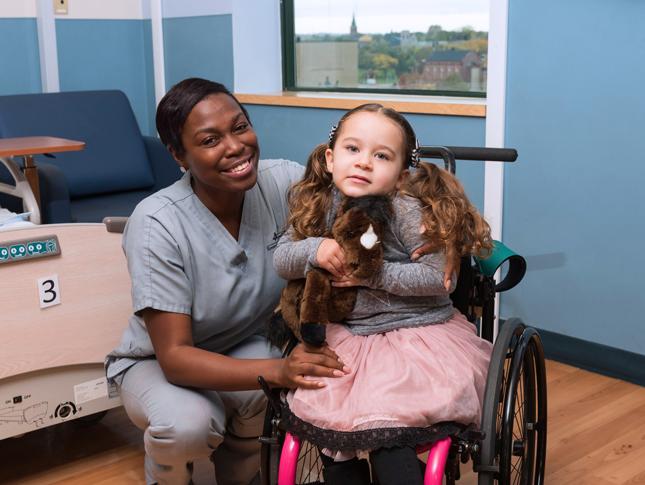
Join one of our patients as she takes you on a tour through all the fun and interesting spaces that you may see when you come to the 801 North Broadway Outpatient Building. Let Peyton introduce you to Kennedy Krieger.
Looking To Grow Your Career? Help Treat, Care for and Work with Children & Teens in Inpatient, Outpatient and School Settings.